
Creole Christmas Cake Recipe Inspired by Delia Smith
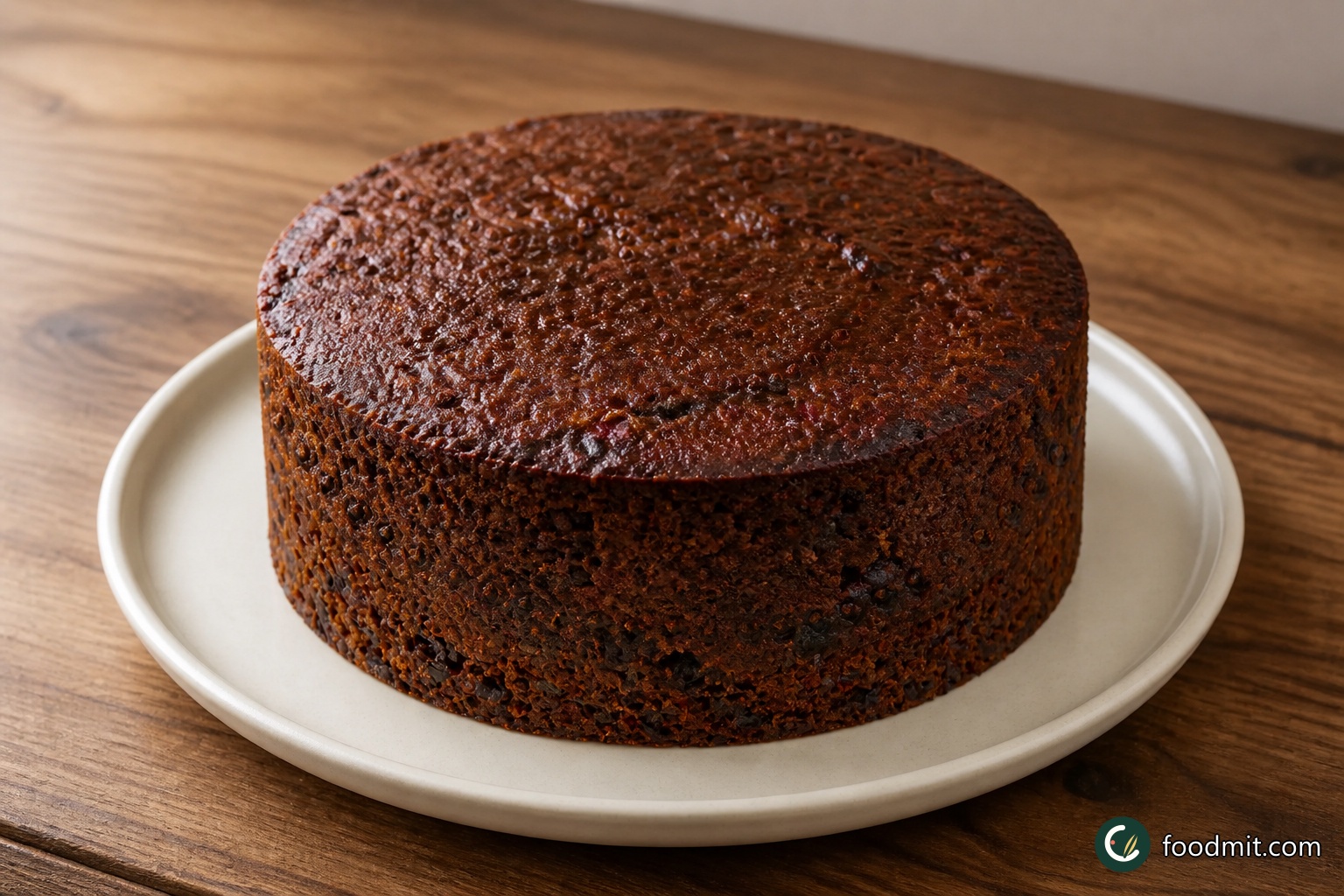
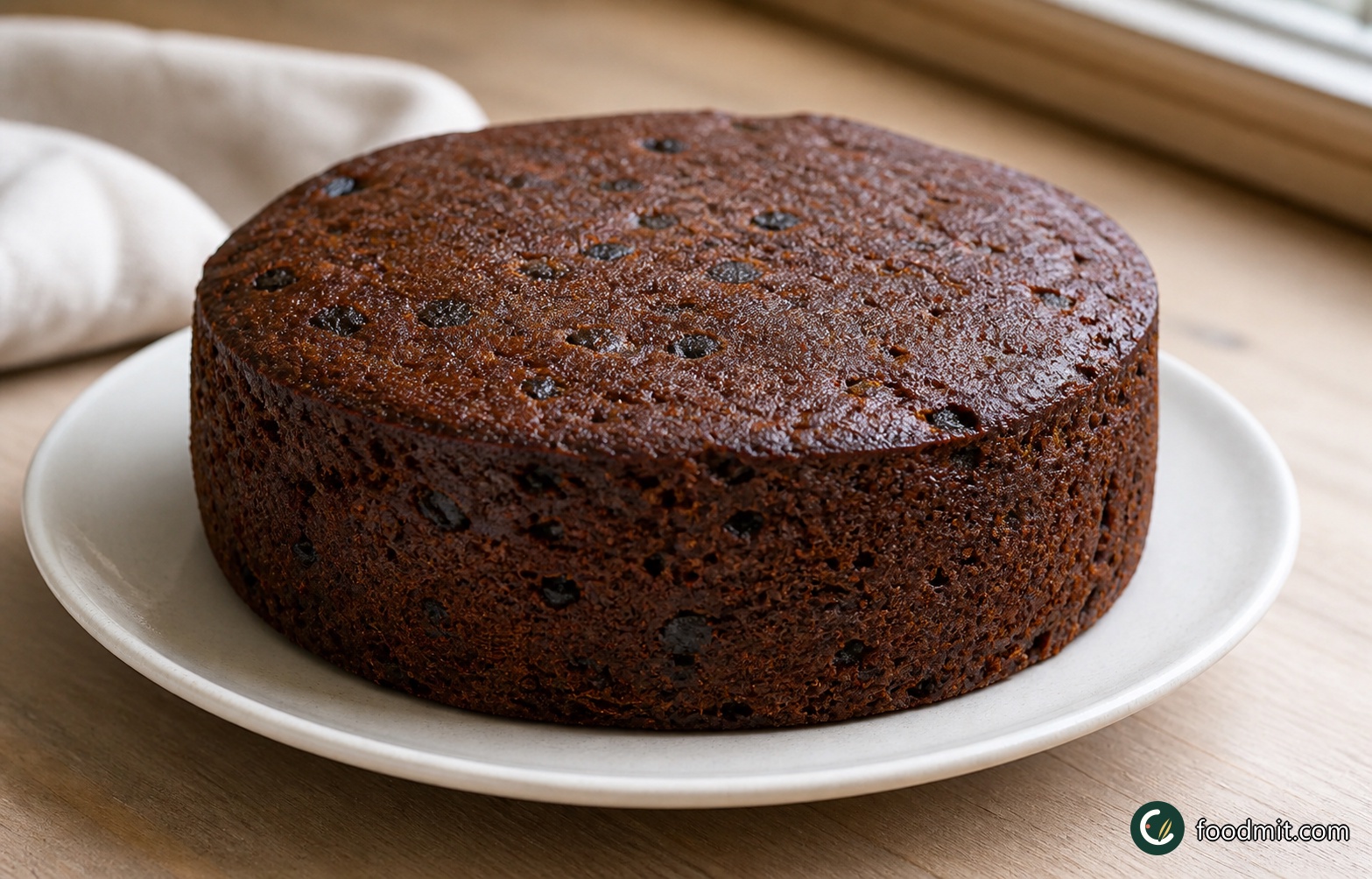
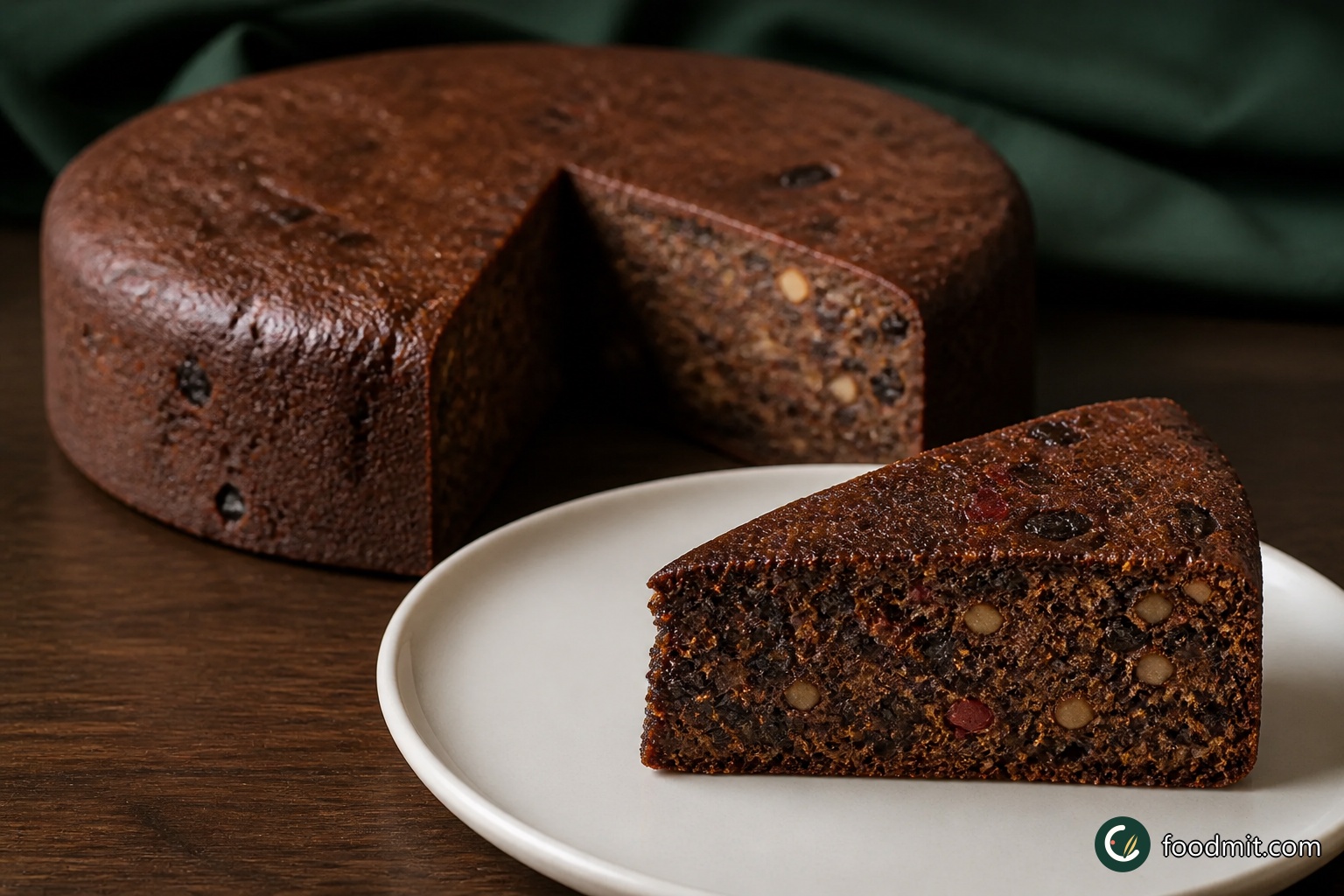
I have long trusted Delia Smith's calm, exact approach to festive baking, so I was delighted to cook this particular cake at home. It asks for patience rather than flashy technique: the fruit is prepared a week ahead, the batter comes together simply, and the long, gentle bake rewards all that waiting with a properly celebratory centerpiece. The finished cake is dark, rich and close-textured, with raisins, currants, prunes, glacé cherries, candied peel and nuts in every slice. Rum, brandy, cherry brandy and port bring warmth without drowning the fruit, while Angostura bitters, cinnamon, nutmeg, cloves, vanilla and molasses sugar give the sweetness a deep, rounded edge. The most useful lesson from making it was to treat the pre-soak as part of the recipe, not an optional head start. Simmering first helps the fruit take up the spiced liquid, and a full week in the refrigerator lets that moisture settle throughout. On baking day, the double layer of parchment added after three hours protects the top while the center finishes slowly. I like to bring it to the table in modest slices, because it is satisfyingly dense and full-flavored. The center should feel springy before it leaves the oven, and the cake must be completely cold before wrapping; handled that way, it is an excellent make-ahead bake for Christmas visits, parties and quiet cups of tea.
 Foodmit
recipe
Per 1 slice (about 90 g)
Nutrition for Creole Christmas Cake
- Saturated fat
- 7 g
- Fiber
- 3 g
- Sugars
- 42 g
- Sodium
- 210 mg
Estimated values. Nutrition values are approximate. More precise calculations will be added in a future update.
How to make Creole Christmas Cake
-
Step 1
Simmer the fruit mixture
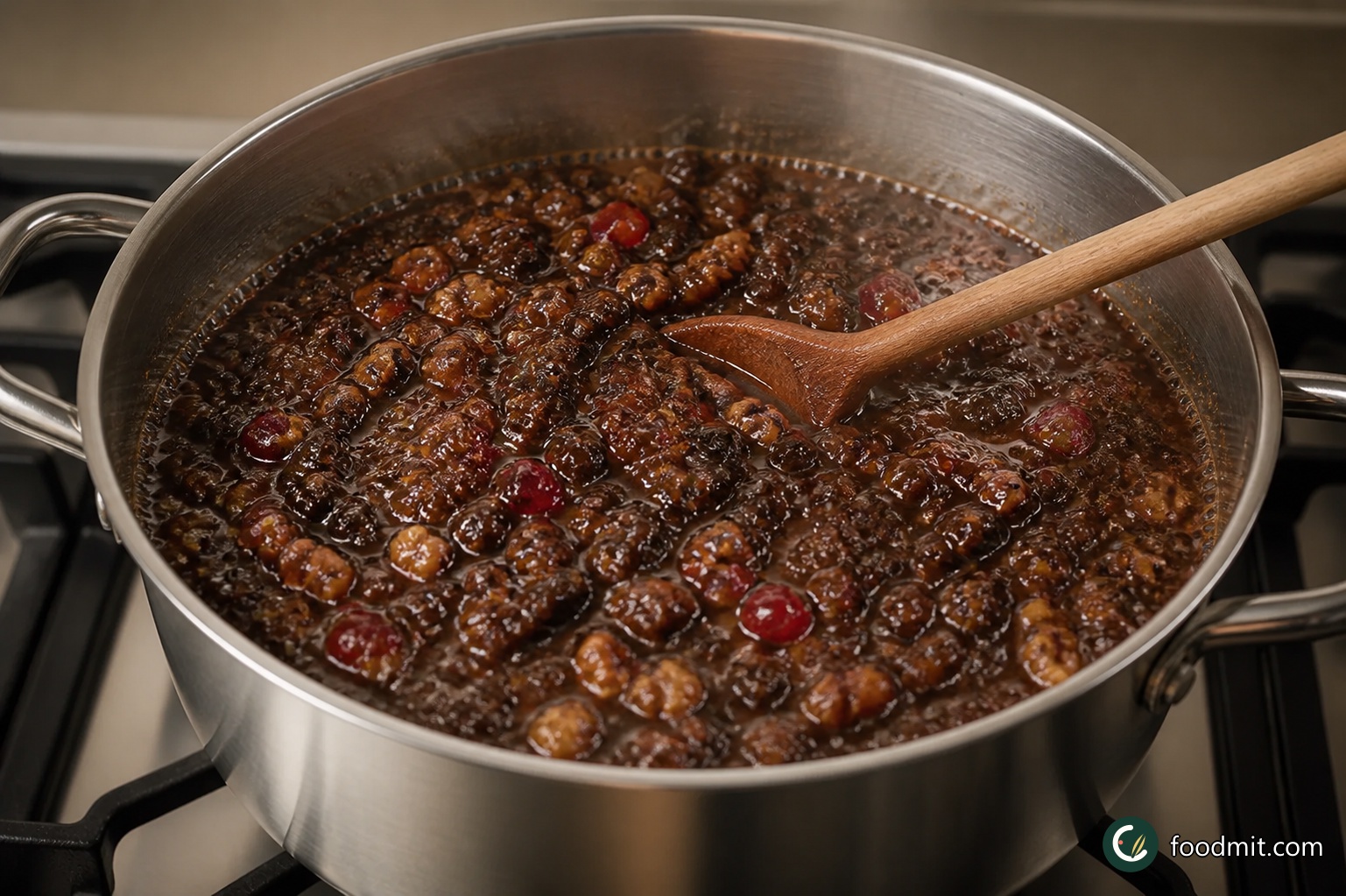
Seven days before baking, put the rum, brandy, cherry brandy, port, water, Angostura bitters, cinnamon, nutmeg, cloves, salt, vanilla, molasses sugar, raisins, currants, prunes, glacé cherries, candied peel and nuts in a large saucepan. Stir over medium heat until the liquid reaches a simmer, then reduce the heat to its lowest setting and cook uncovered for 15 minutes, stirring occasionally so all the fruit is moistened.
-
Step 2
Chill for one week
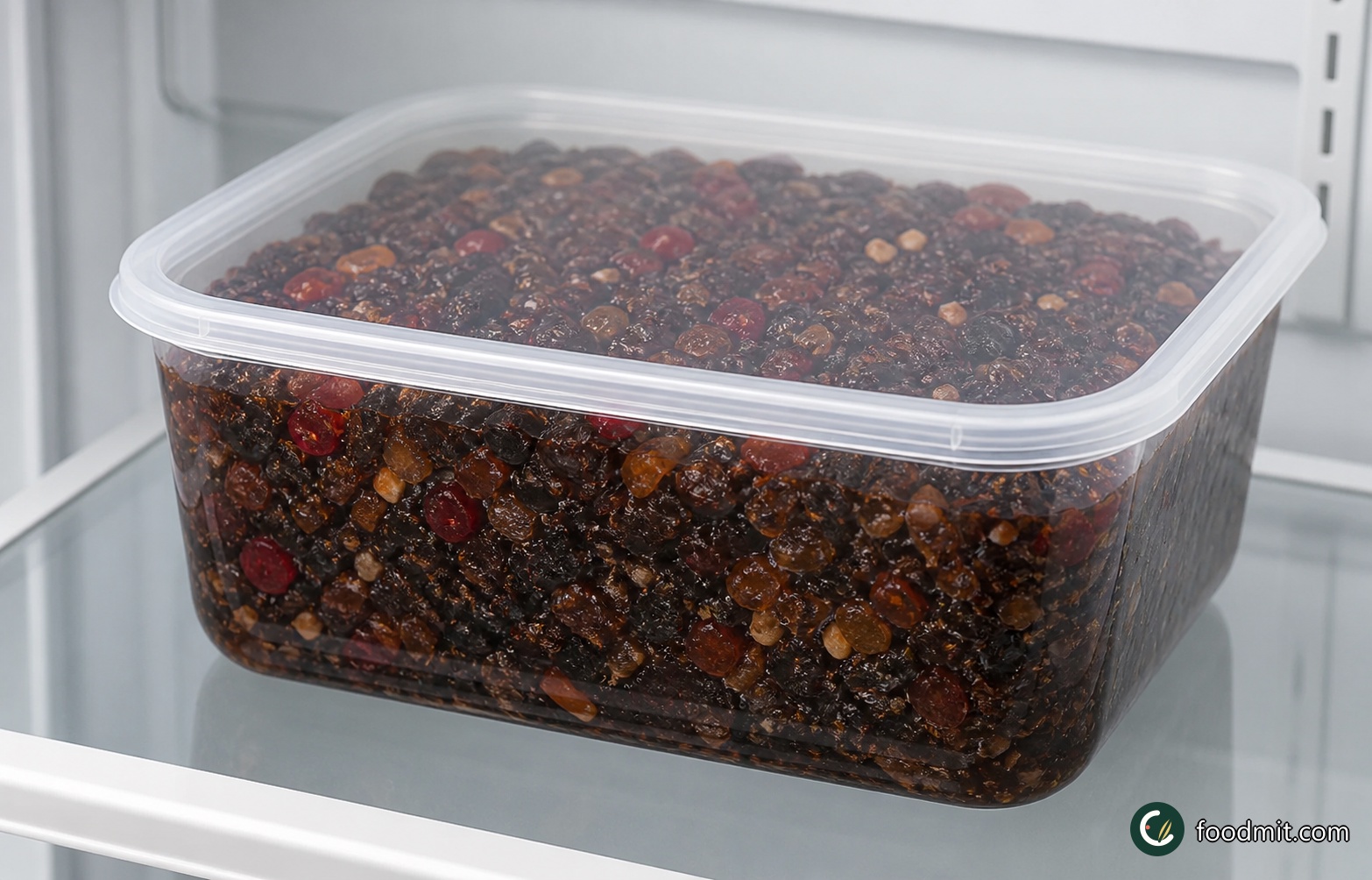
Remove the pan from the heat and let the mixture become completely cold. Transfer every bit of fruit and liquid to an airtight plastic container, seal it and refrigerate for seven days. Give the container a gentle shake or stir the mixture from time to time so the fruit continues to soak evenly.
-
Step 3
Prepare the tin and oven
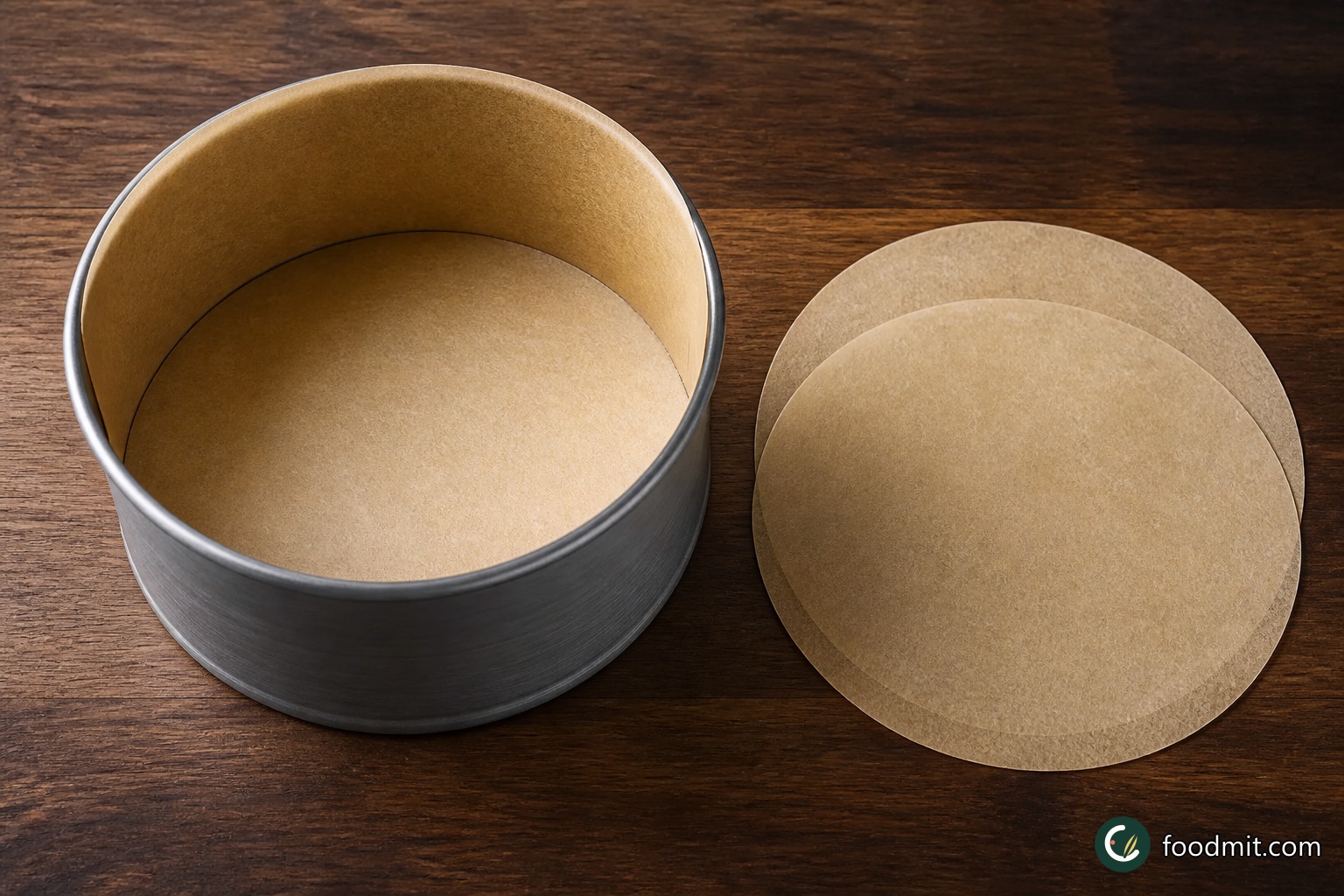
On baking day, heat the oven to 140°C, gas mark 1. Grease a 20 cm round loose-based cake tin and line both the base and sides. Cut a separate double thickness of baking parchment large enough to sit over the cake later in the bake.
-
Step 4
Mix the cake batter
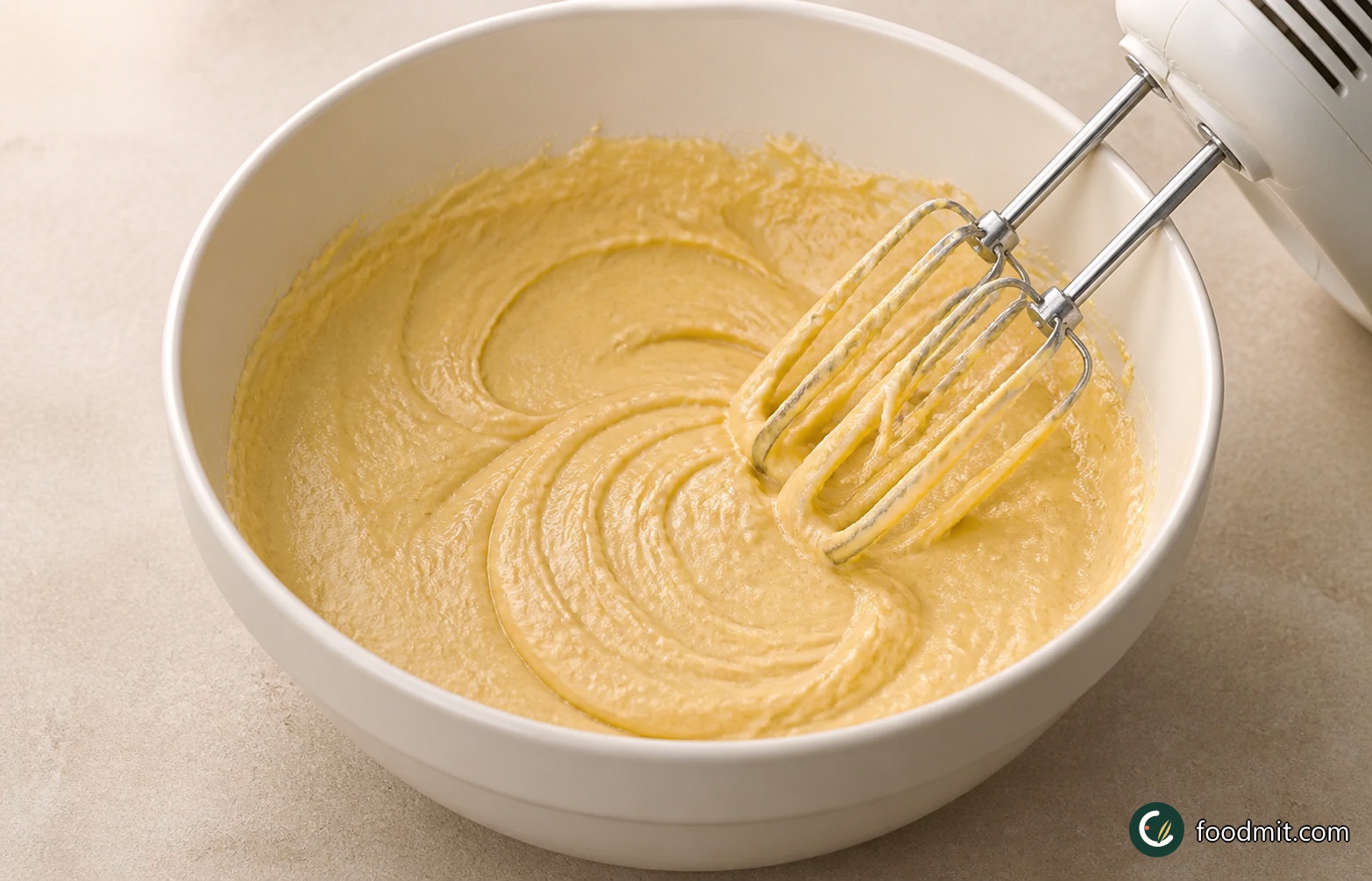
Sift the self-raising flour into a large bowl. Add the demerara sugar, spreadable butter and eggs, then beat with an electric hand whisk or a wooden spoon until the mixture is thoroughly combined, with no patches of dry flour or unmixed butter remaining.
-
Step 5
Fold in the soaked fruit
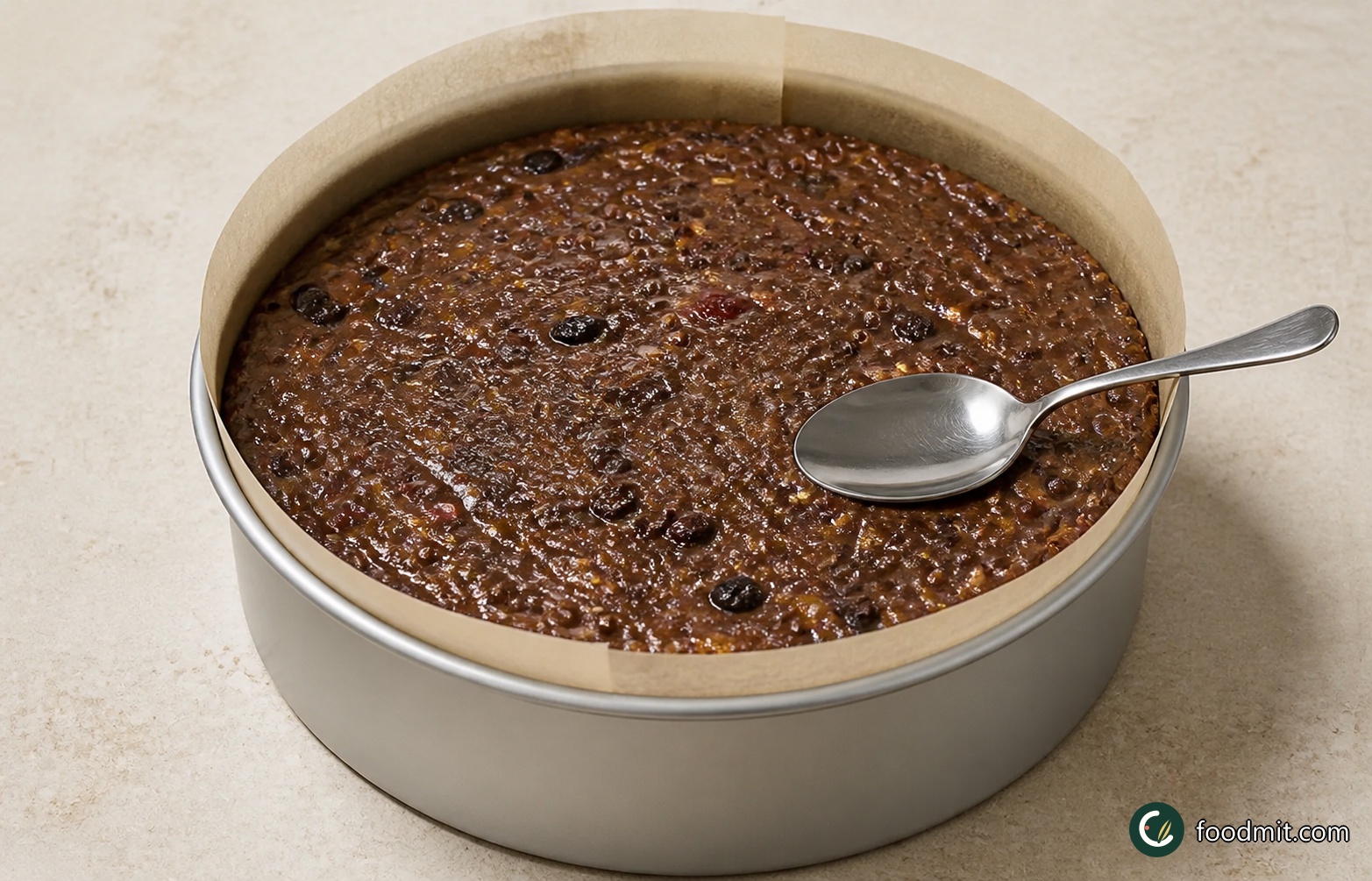
Add the soaked mixture gradually, folding after each addition until the fruit, nuts and spiced liquid are evenly distributed through the batter. Scrape everything into the lined tin and level the top with the back of a spoon so the cake bakes to an even depth.
-
Step 6
Begin the slow bake
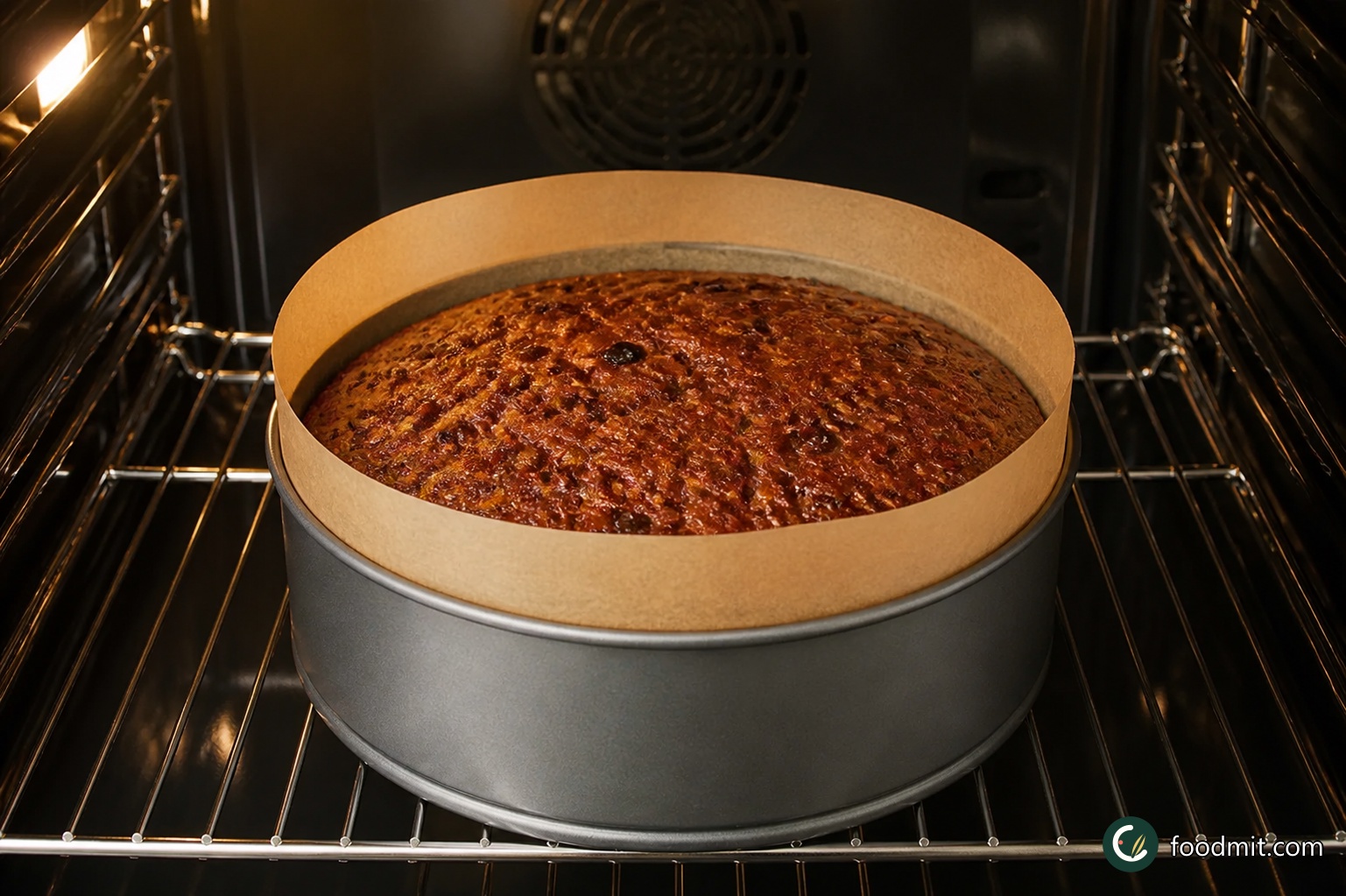
Set the tin near the center of the oven and bake for 3 hours. Keep the oven closed as much as possible during this stage so the low temperature remains steady and the dense batter cooks evenly.
-
Step 7
Cover and finish baking
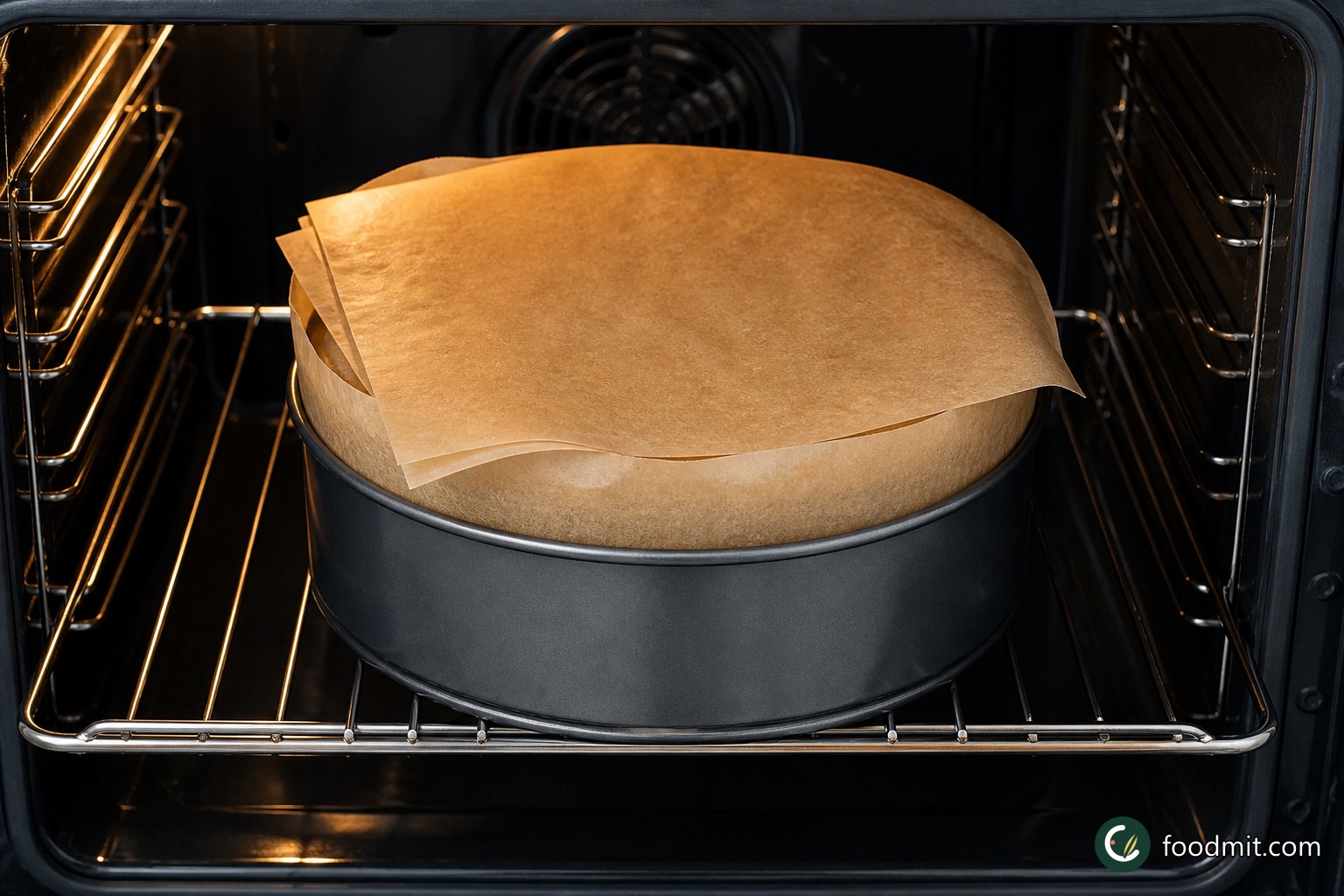
After 3 hours, rest the prepared double layer of baking parchment over the top of the tin. Bake for 1 hour more. The cake is ready when the center feels springy under a light fingertip press rather than soft or sunken.
-
Step 8
Cool and store
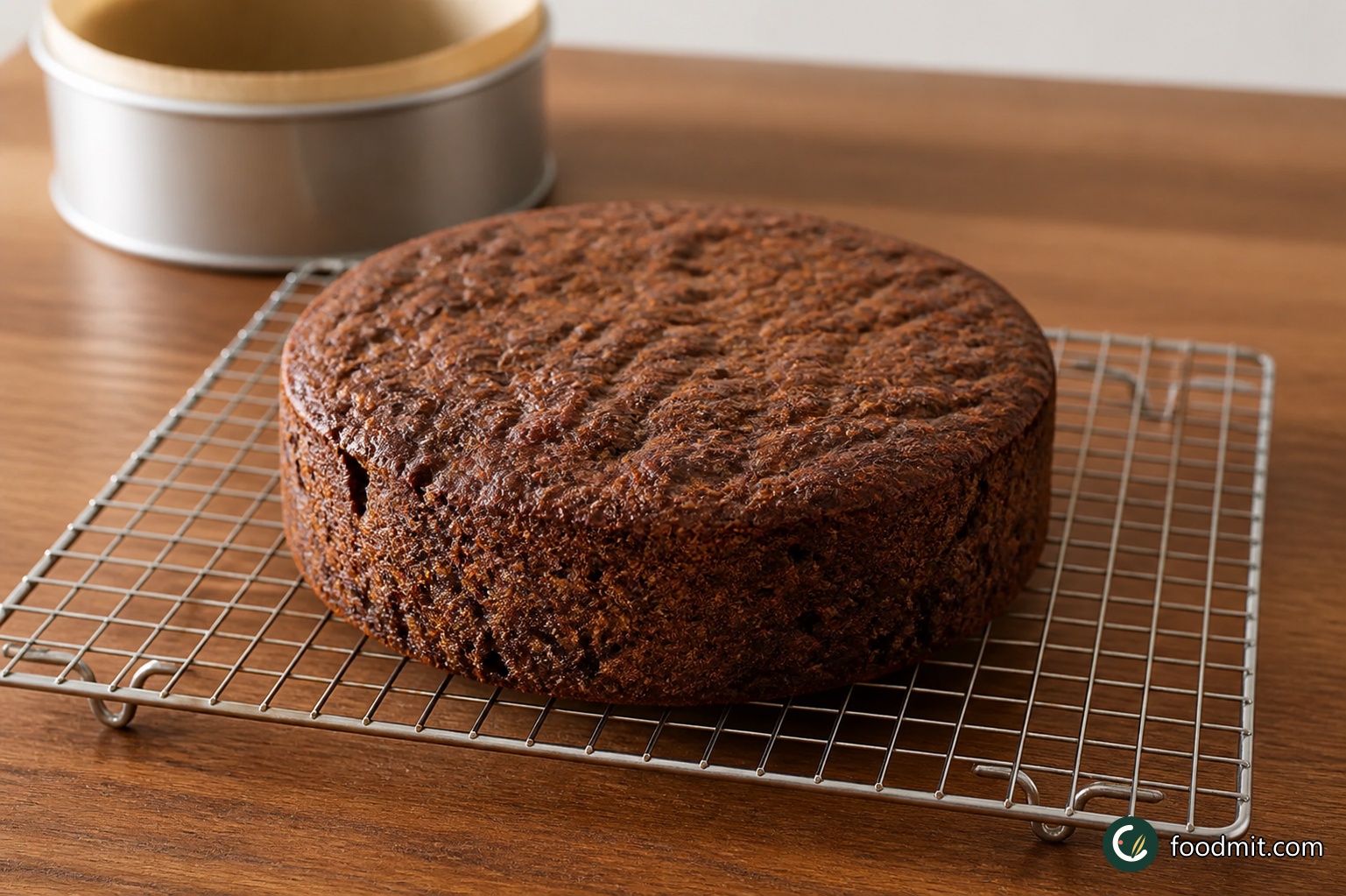
Leave the cake in its tin for 45 minutes, then carefully remove it and place it on a wire rack. Let it cool completely before wrapping it in foil lined with baking parchment. Store the wrapped cake in an airtight tin or airtight plastic box.
Measure the four bottles, spices and fruits against a written checklist; with this many additions, a quick tick beside each one is the safest way to keep the balance exact.
Creole Christmas Cake, ready to serve
Serving ideas for Creole Christmas Cake
Choose a presentation that fits the occasion, from relaxed sharing to individual plates.
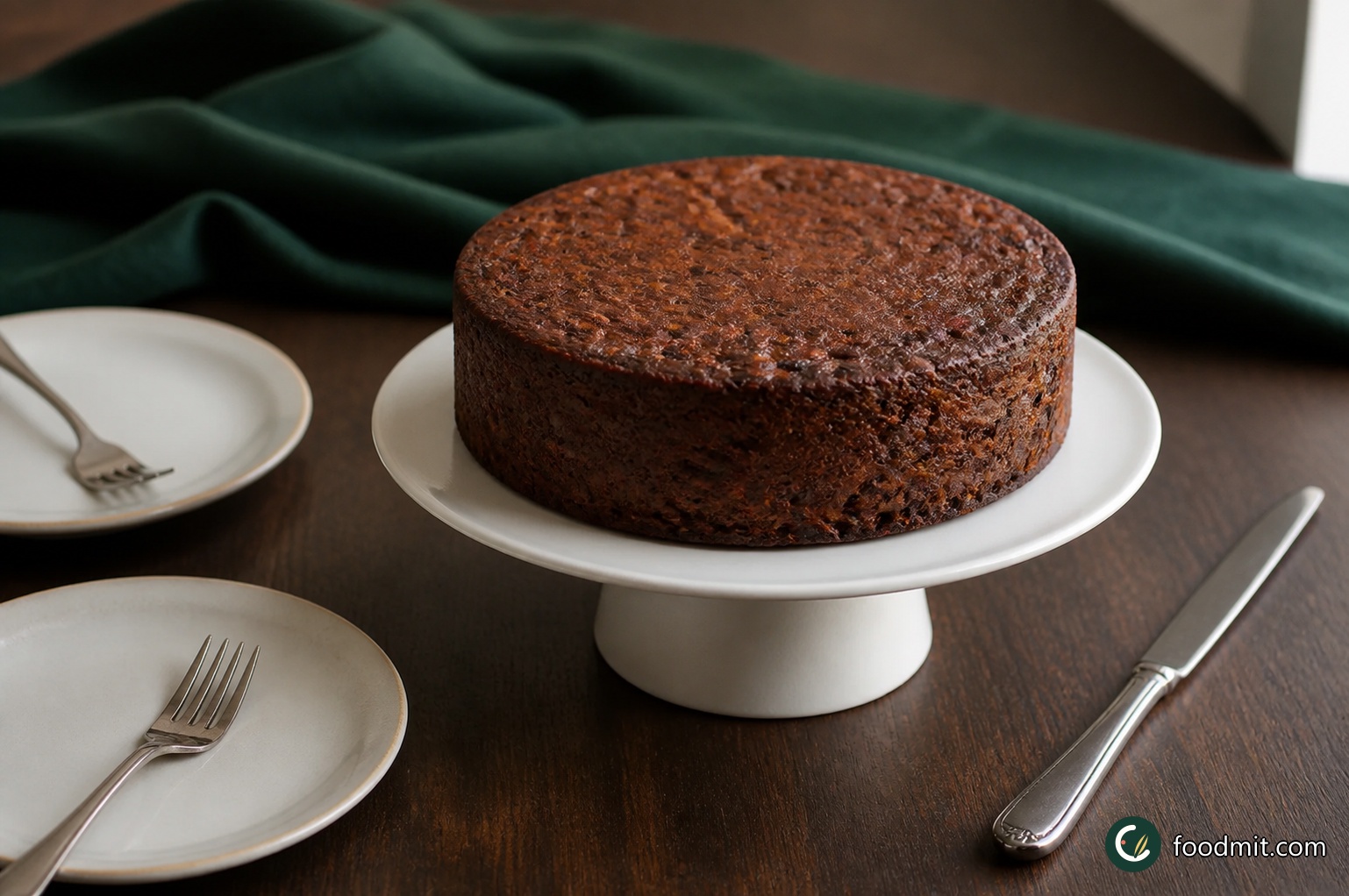
Christmas cake stand
Set the whole cake on a simple white or silver cake stand so its deep, fruit-filled sides are the focus. Place a sharp cake knife, small dessert plates and forks alongside, and cut modest wedges at the table because the crumb is rich and dense. This presentation works especially well as a Christmas centerpiece after the main meal, with no extra garnish needed to compete with the spice and fruit.
Afternoon tea slices
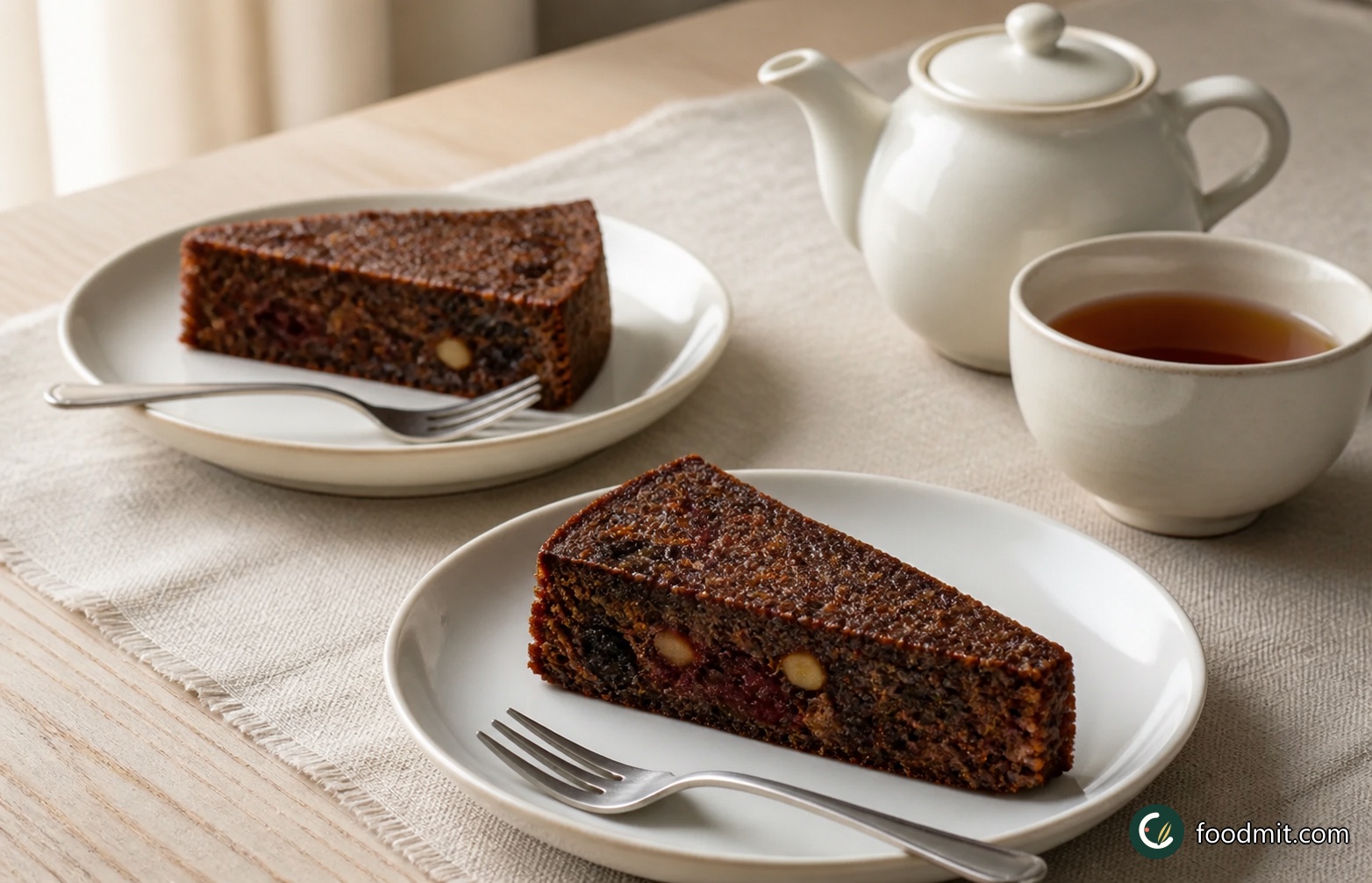
Cut slim wedges with a sharp knife and arrange them on individual white side plates, where the dark crumb and pieces of fruit are easy to see. Add small forks and serve with a pot of hot tea or coffee, keeping the setting uncluttered and the cake at the center of attention. This is my favorite approach for a quiet holiday visit, since one neat slice feels generous without being overwhelming.
Festive buffet portions
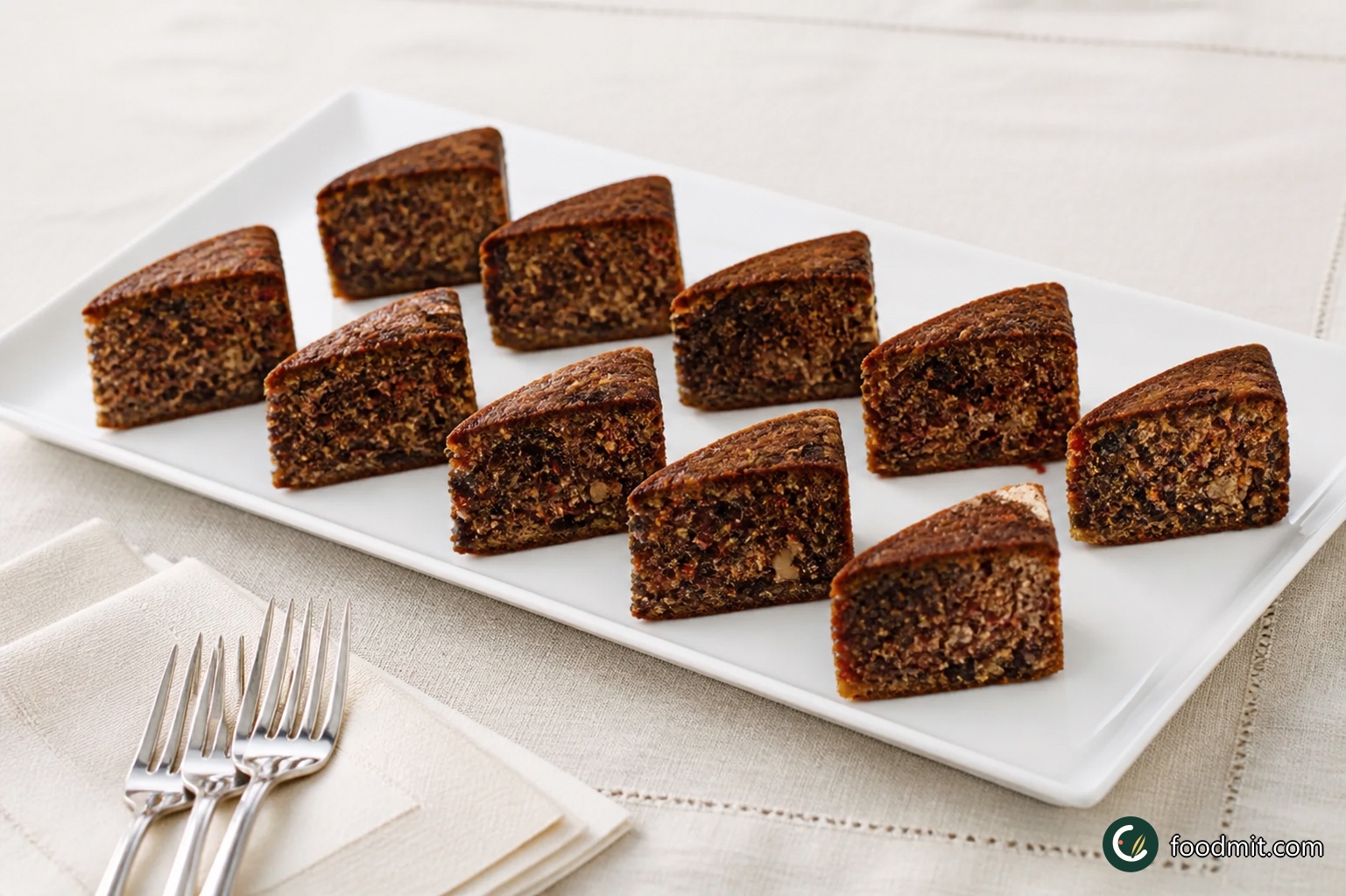
For a party table, cut the cake into small, tidy portions and space them on a flat silver or white platter so guests can lift one without disturbing the rest. Provide cocktail napkins and dessert forks, and place a small label nearby noting that the cake contains nuts and several wines and spirits. The compact portions suit the cake's richness and make it easy to serve to a crowd alongside other holiday sweets.
Let’s cook Creole Christmas Cake together
Check off your ingredients, follow each step, and start the timers when you are ready.
Get everything ready
Step-by-step with timers
Simmer the fruit mixture
Seven days before baking, put the rum, brandy, cherry brandy, port, water, Angostura bitters, cinnamon, nutmeg, cloves, salt, vanilla, molasses sugar, raisins, currants, prunes, glacé cherries, candied peel and nuts in a large saucepan. Stir over medium heat until the liquid reaches a simmer, then reduce the heat to its lowest setting and cook uncovered for 15 minutes, stirring occasionally so all the fruit is moistened.
Chill for one week
Remove the pan from the heat and let the mixture become completely cold. Transfer every bit of fruit and liquid to an airtight plastic container, seal it and refrigerate for seven days. Give the container a gentle shake or stir the mixture from time to time so the fruit continues to soak evenly.
Prepare the tin and oven
On baking day, heat the oven to 140°C, gas mark 1. Grease a 20 cm round loose-based cake tin and line both the base and sides. Cut a separate double thickness of baking parchment large enough to sit over the cake later in the bake.
Mix the cake batter
Sift the self-raising flour into a large bowl. Add the demerara sugar, spreadable butter and eggs, then beat with an electric hand whisk or a wooden spoon until the mixture is thoroughly combined, with no patches of dry flour or unmixed butter remaining.
Fold in the soaked fruit
Add the soaked mixture gradually, folding after each addition until the fruit, nuts and spiced liquid are evenly distributed through the batter. Scrape everything into the lined tin and level the top with the back of a spoon so the cake bakes to an even depth.
Begin the slow bake
Set the tin near the center of the oven and bake for 3 hours. Keep the oven closed as much as possible during this stage so the low temperature remains steady and the dense batter cooks evenly.
Cover and finish baking
After 3 hours, rest the prepared double layer of baking parchment over the top of the tin. Bake for 1 hour more. The cake is ready when the center feels springy under a light fingertip press rather than soft or sunken.
Cool and store
Leave the cake in its tin for 45 minutes, then carefully remove it and place it on a wire rack. Let it cool completely before wrapping it in foil lined with baking parchment. Store the wrapped cake in an airtight tin or airtight plastic box.
Creole Christmas Cake Recipe Inspired by Delia Smith
The story behind Creole Christmas Cake
Recipe notes by Emily
The cake I finally made
I had admired this Delia Smith bake for its wonderfully serious approach to fruit cake, and making it confirmed why her recipes inspire such loyalty. I enjoyed the small ritual of measuring each bottle and spice into the pan, then checking every fruit off my list. It felt generous before it even reached the oven, yet the method remained reassuringly orderly from the first simmer to the final wrap.
Why the waiting earns its place
The week in the refrigerator changed the mixture from separate dried fruits and liquids into something cohesive, plump and deeply scented. When I folded it into the simple butter-and-egg batter, there was very little loose liquid left behind. The long bake then made sense: low heat set the dense center without rushing the edges, and the parchment shield kept the last hour controlled. Waiting until the cake was stone cold before wrapping also protected its texture.