
Traditional Christmas Fruit Cake Recipe Inspired by Delia Smith
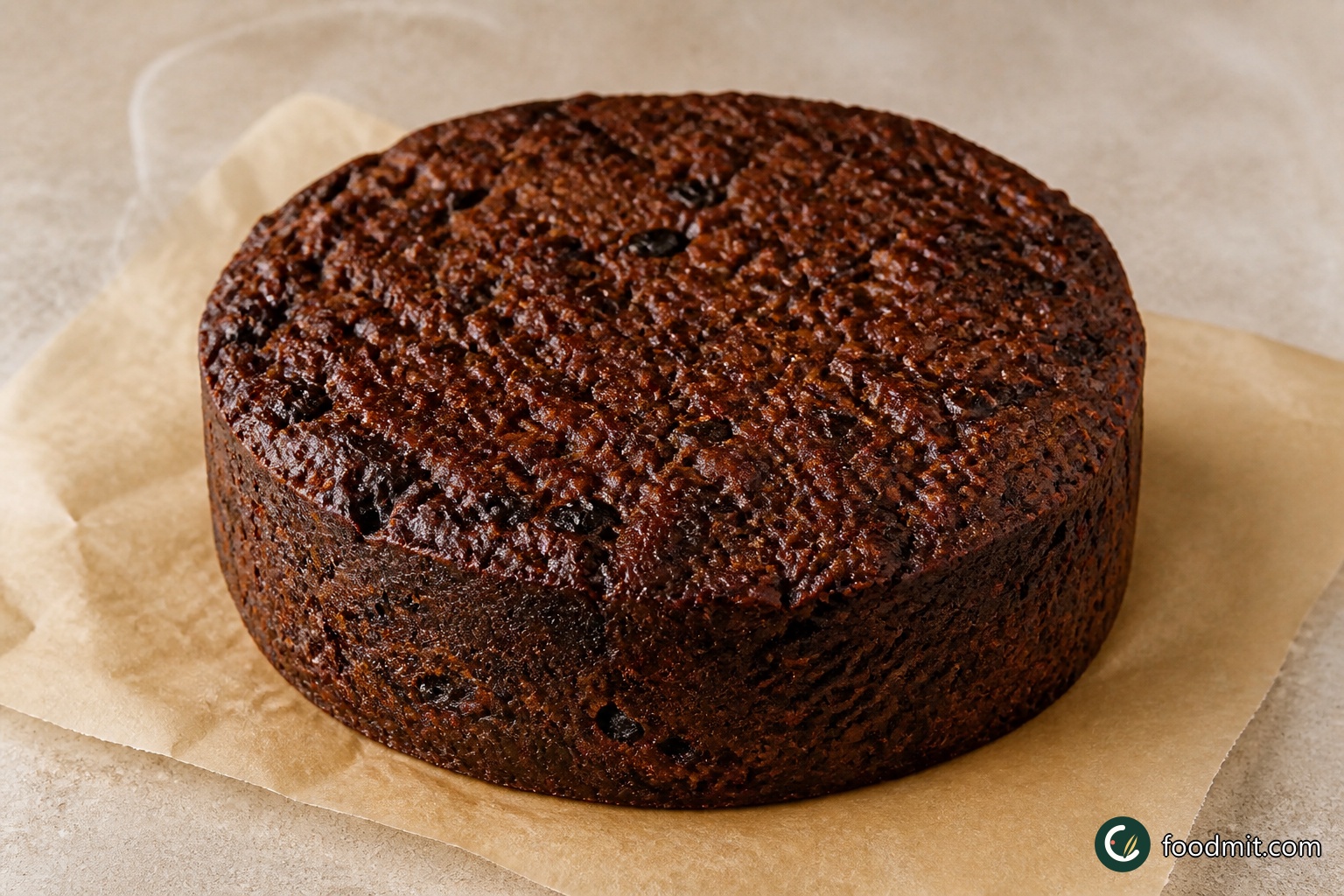
When I finally baked this Traditional Christmas Fruit Cake, I understood why Delia Smith’s approach has such a devoted following. It is an old-fashioned, reassuring bake: generous with dried fruit, modest about decoration, and built around patient preparation rather than flashy tricks. I made it for Christmas and loved how the kitchen gradually filled with warm spice and citrus while the cake sat low in the oven. It felt like the sort of recipe a fan can trust, provided the timings and protective lining are respected. The finished cake is dark, close-textured and moist without being stodgy. Raisins, currants and sultanas bring slightly different kinds of sweetness, while the small amounts of mixed peel, orange zest and lemon zest stop that sweetness from tasting flat. Cinnamon and freshly grated nutmeg sit gently in the background. The almonds are deliberately restrained, so they add a little texture without turning this into a nut-heavy cake, and the port and brandy give the fruit a rounded festive depth. The most useful lesson for me was that the overnight preparation does real work. Heating the fruit very gently with the spirits, spice, salt, peel, almonds and zest starts the plumping process; cooling it and sealing it away overnight gives the fruit time to take up the liquid evenly. On baking day, the double parchment lining, the brown-paper collar and the loose parchment cover with a small central vent protect the edges and top during four hours of low heat. Those details are what let the middle cook through without sacrificing the outside. I let the cake stand in its tin for the full 45 minutes, cooled it completely on a rack, then wrapped it carefully before storing it airtight. It slices neatly and tastes complete just as it is, which is how I first served it. For a more pronounced brandy note, it can instead be pierced and fed with a little extra brandy at weekly intervals before it is eaten plain or iced. Either way, this is a patient, make-ahead Christmas bake that rewards following the original rhythm.
 Foodmit
recipe
Per 1 slice (about 80 g)
Nutrition for Traditional Christmas Fruit Cake
- Saturated fat
- 5 g
- Fiber
- 2 g
- Sugars
- 36 g
- Sodium
- 63 mg
Estimated values. Nutrition values are approximate. More precise calculations will be added in a future update.
How to make Traditional Christmas Fruit Cake
-
Step 1
Gently simmer the fruit
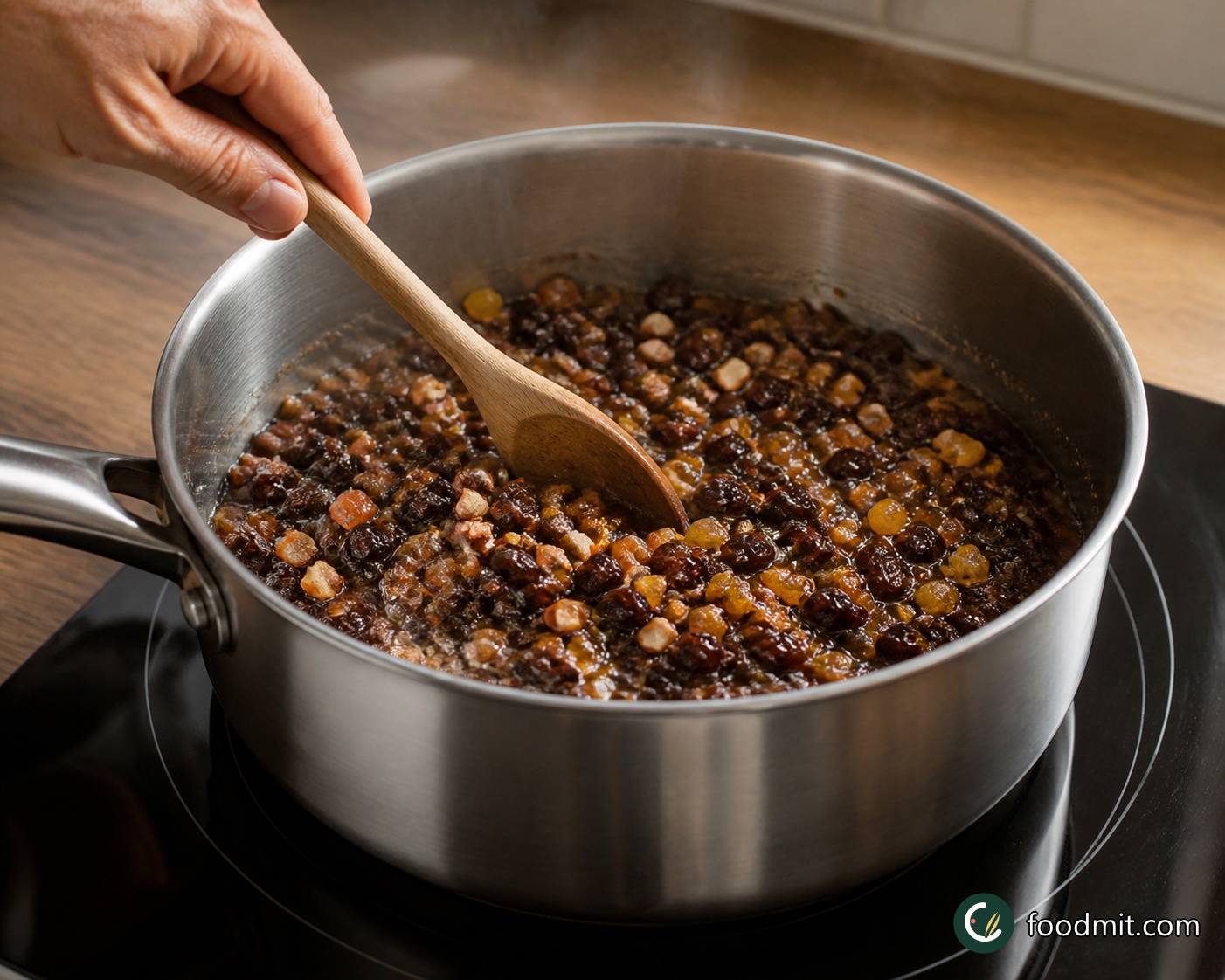
The day before baking, measure the brandy and port into a large saucepan. Add the cinnamon, nutmeg, salt, raisins, currants, sultanas, mixed peel, chopped almonds, orange zest and lemon zest. Stir everything together and bring it only just to simmering point. Turn the heat down at once and keep the mixture at the gentlest simmer for 10 minutes, stirring carefully enough to prevent fruit at the base from catching. The aim is to warm and plump the fruit, not to boil the liquid away.
-
Step 2
Cool and rest overnight
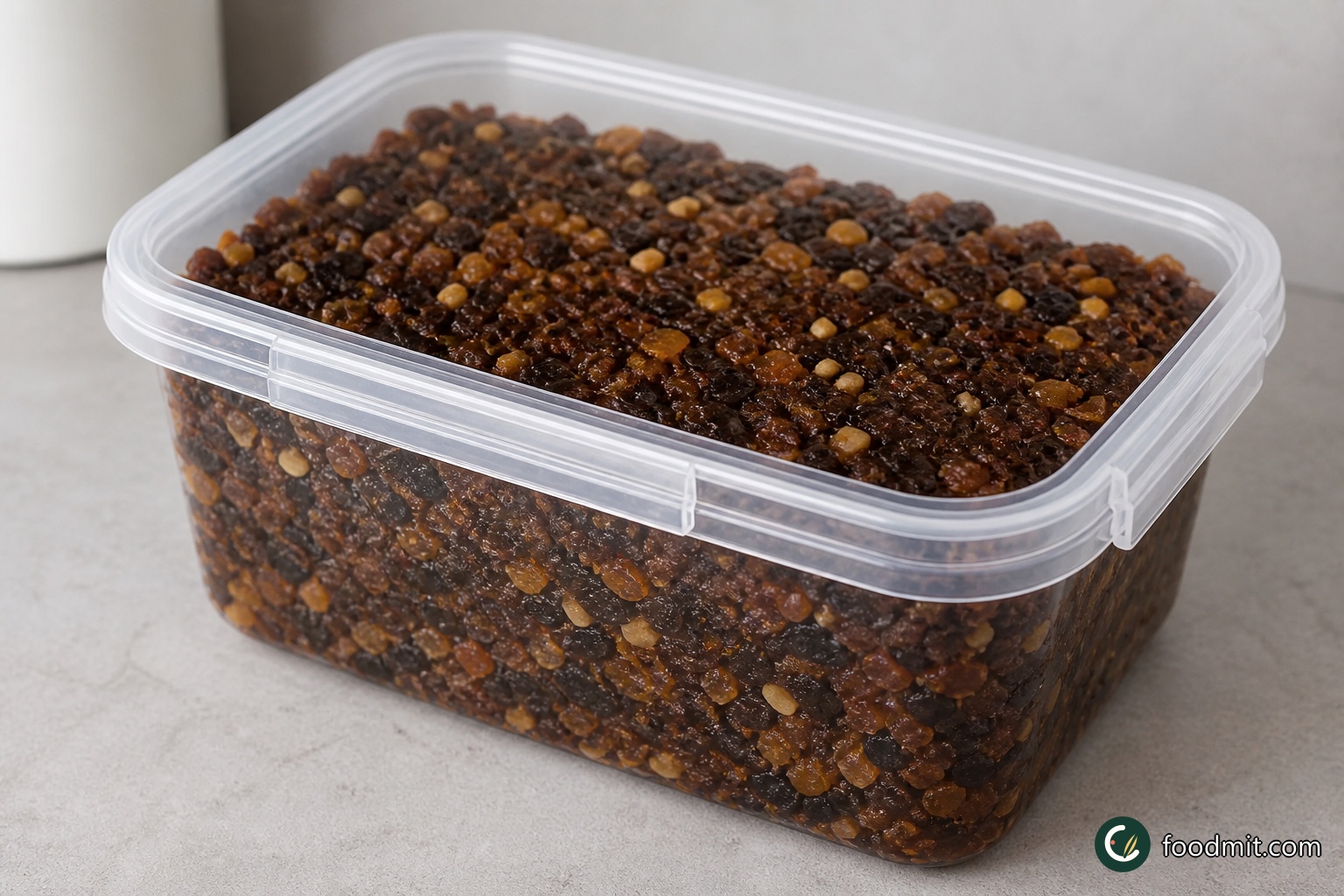
Take the pan off the heat and leave the fruit mixture until it is completely cool. Transfer all of it, including any liquid and spice clinging to the pan, to an airtight plastic container. Seal the container and leave it in a cool place overnight. At the same time, take the butter from the refrigerator so it has time to soften naturally before mixing the cake. Do not combine warm fruit with the batter; the long, cool rest is part of the recipe and helps the liquid spread evenly through the dried fruit.
-
Step 3
Prepare the oven and tin
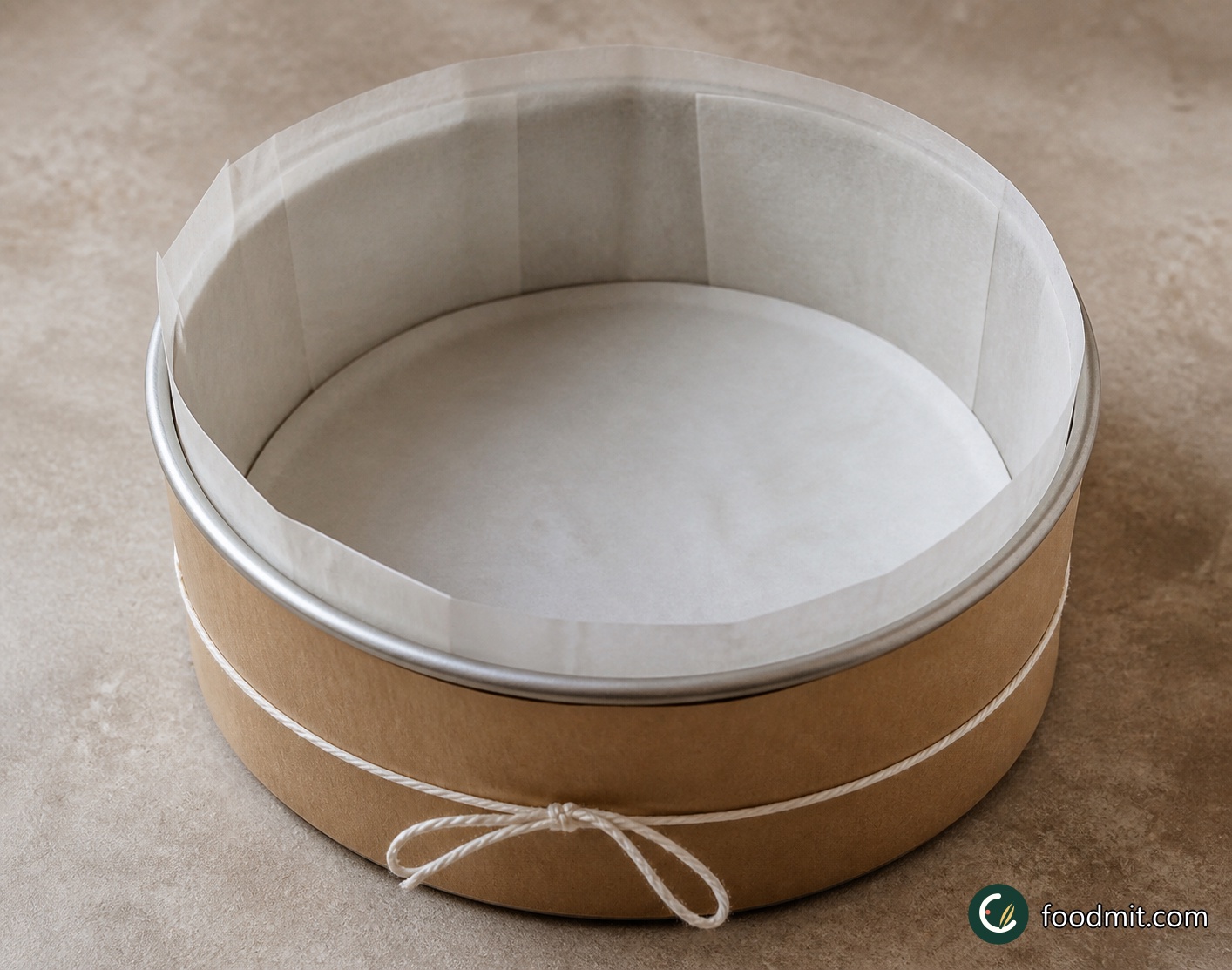
When you are ready to bake, heat the oven to 140°C, or gas mark 1, with a rack positioned in the centre. Grease a 20 cm round cake tin and line it with a double thickness of baking parchment. Tie a snug band of brown paper around the outside of the tin for further insulation. This may look unusually elaborate, but the cake will be in the oven for four hours, so the doubled lining and outer collar are important protection rather than decoration.
-
Step 4
Beat the cake mixture
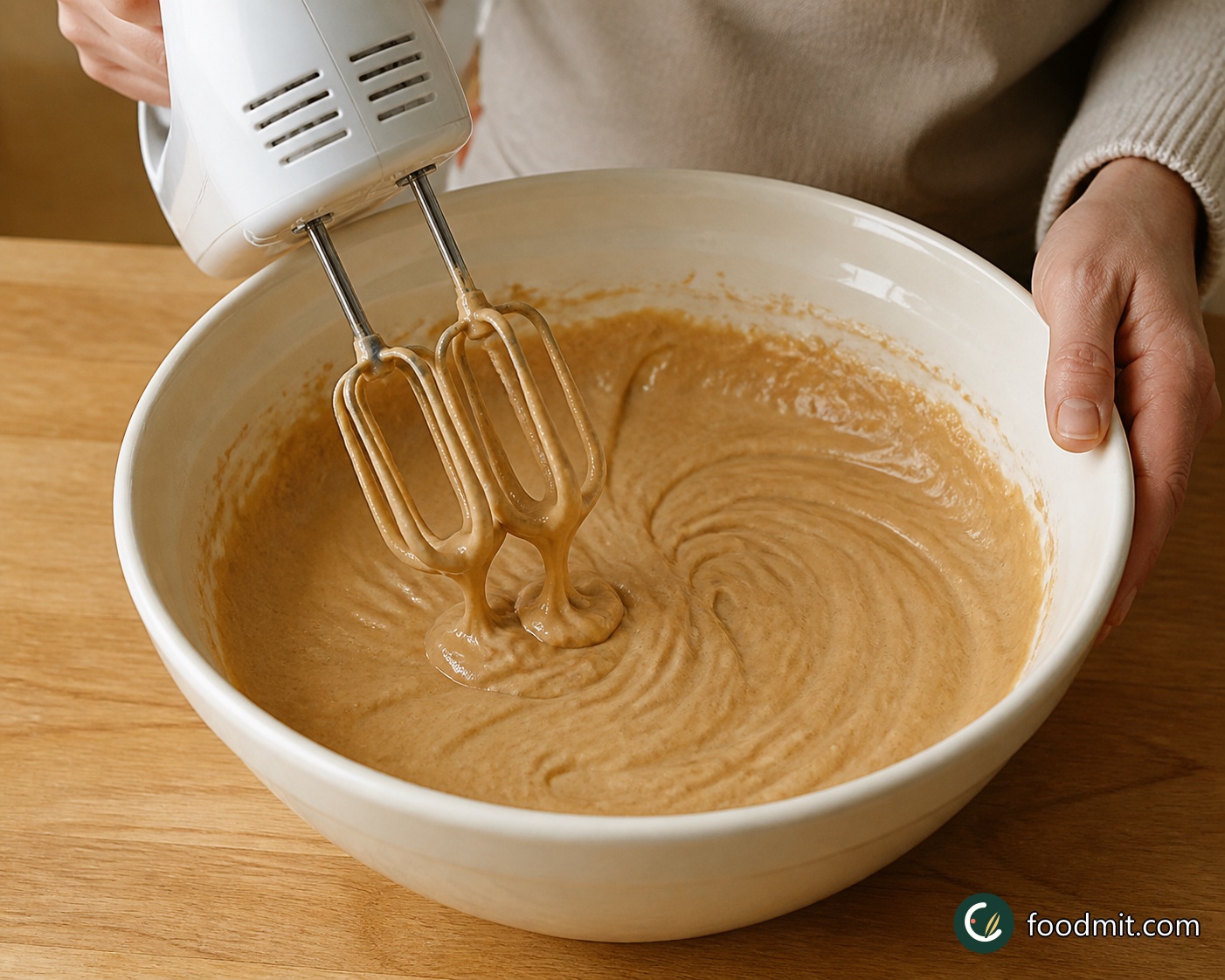
Put the sifted self-raising flour, soft dark brown sugar and softened butter into a very large mixing bowl, then add the four eggs. Beat with an electric whisk until the mixture is evenly blended, with no obvious streaks of butter, egg or dry flour. A wooden spoon can be used if an electric whisk is unavailable; work steadily and scrape around the bottom and sides of the bowl so the base mixture is uniform before the much heavier fruit is added.
-
Step 5
Fold in the soaked fruit
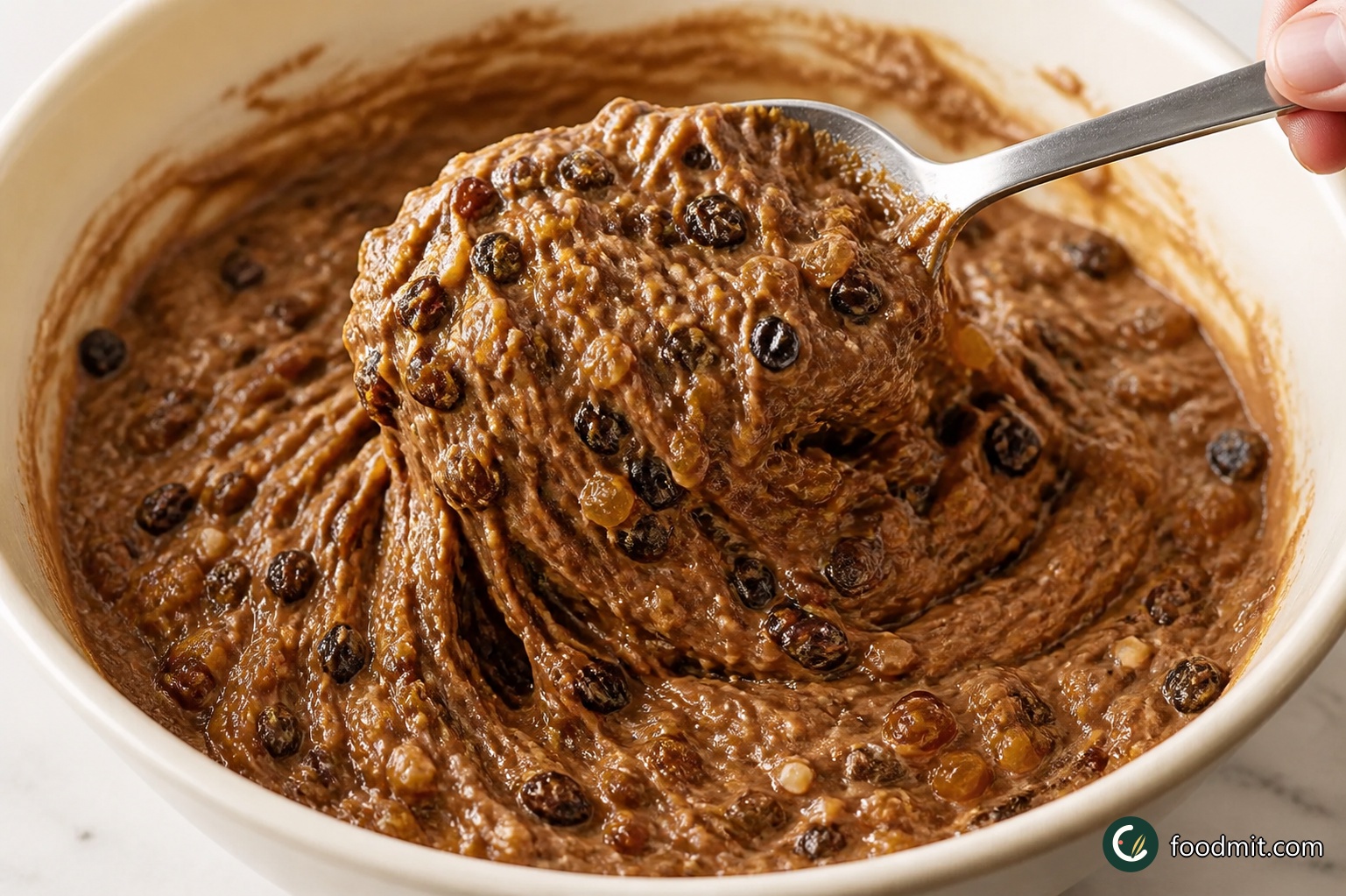
Using a large metal spoon, fold the rested fruit mixture into the cake mixture a little at a time. Bring the spoon down through the centre and lift the batter over the fruit, turning the bowl as you go. Continue until the three vine fruits, peel, almonds and flecks of zest are distributed all the way through, and make sure any aromatic liquid from the container is incorporated too. Gradual folding is easier to control than adding the heavy fruit in one mass and helps avoid pockets of plain batter.
-
Step 6
Fill and cover the tin
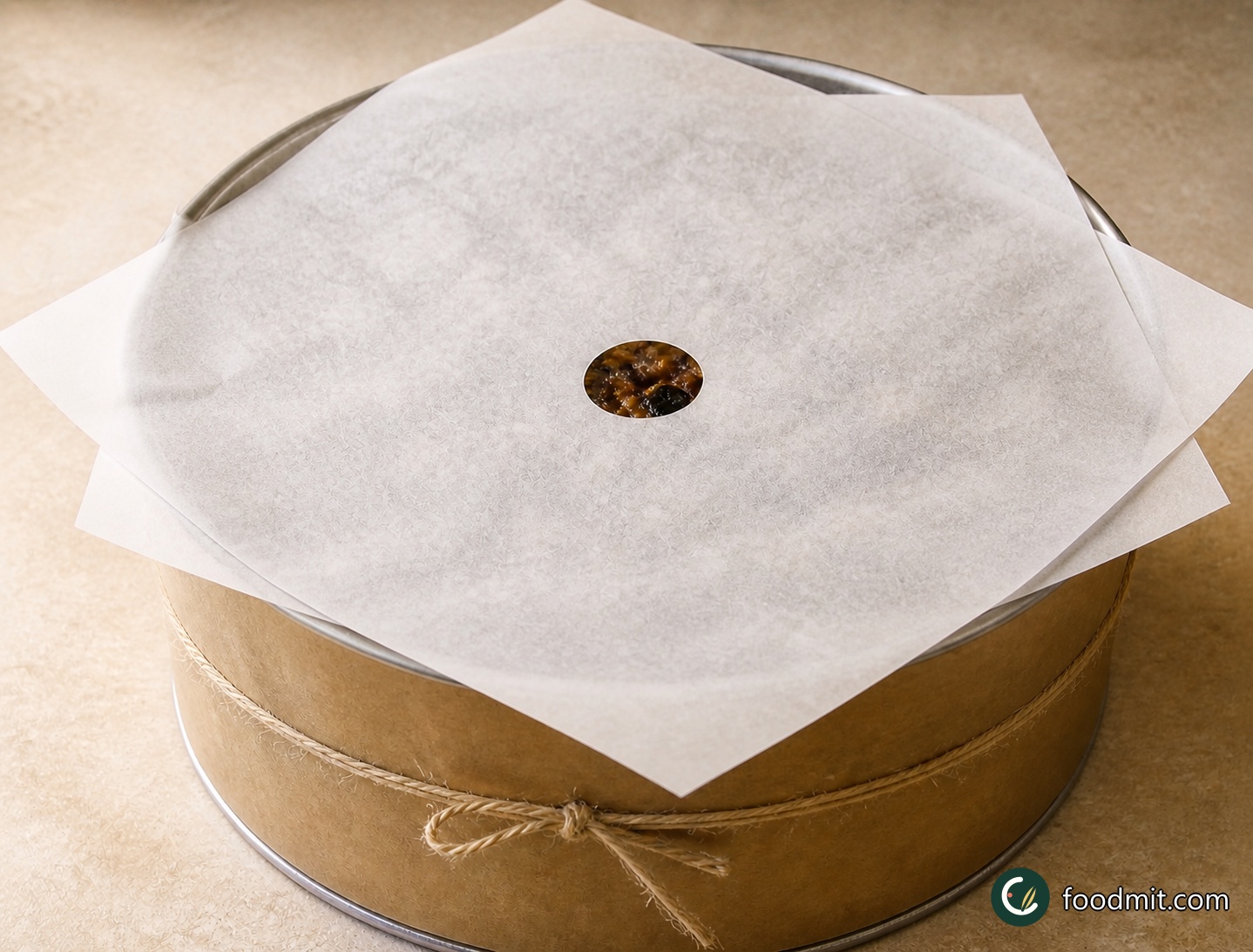
Spoon the mixture into the prepared tin, taking care to push it into the edge rather than leaving gaps. Level the surface with the back of the spoon so the deep cake bakes as evenly as possible. Cut a double square of baking parchment large enough to sit over the tin and make a small hole in its centre, about the diameter of a 50-pence coin. Lay this cover loosely over the top; the opening provides a vent while the surrounding paper shields the surface during the long bake.
-
Step 7
Bake low and slow
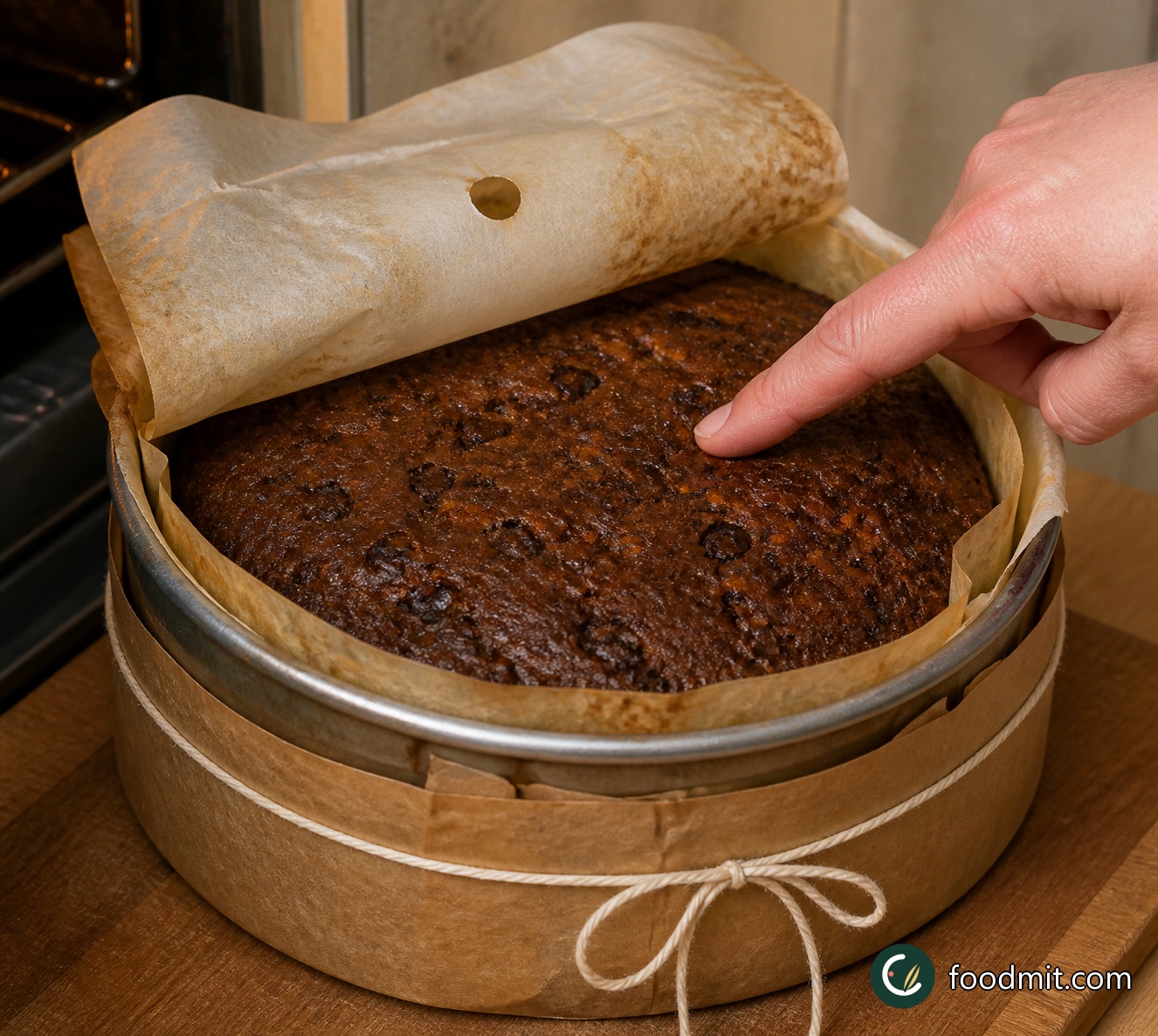
Place the protected tin in the centre of the oven and bake at 140°C, or gas mark 1, for 4 hours. At the end of that time, carefully lift the parchment cover enough to check the centre. The cake is ready when the middle feels springy under a light fingertip; it should respond rather than remain sunken or soft. Use this stated feel as the doneness cue and give the centre the full slow bake it needs, while leaving the paper protections in place for the rest of the time.
-
Step 8
Cool, wrap and store
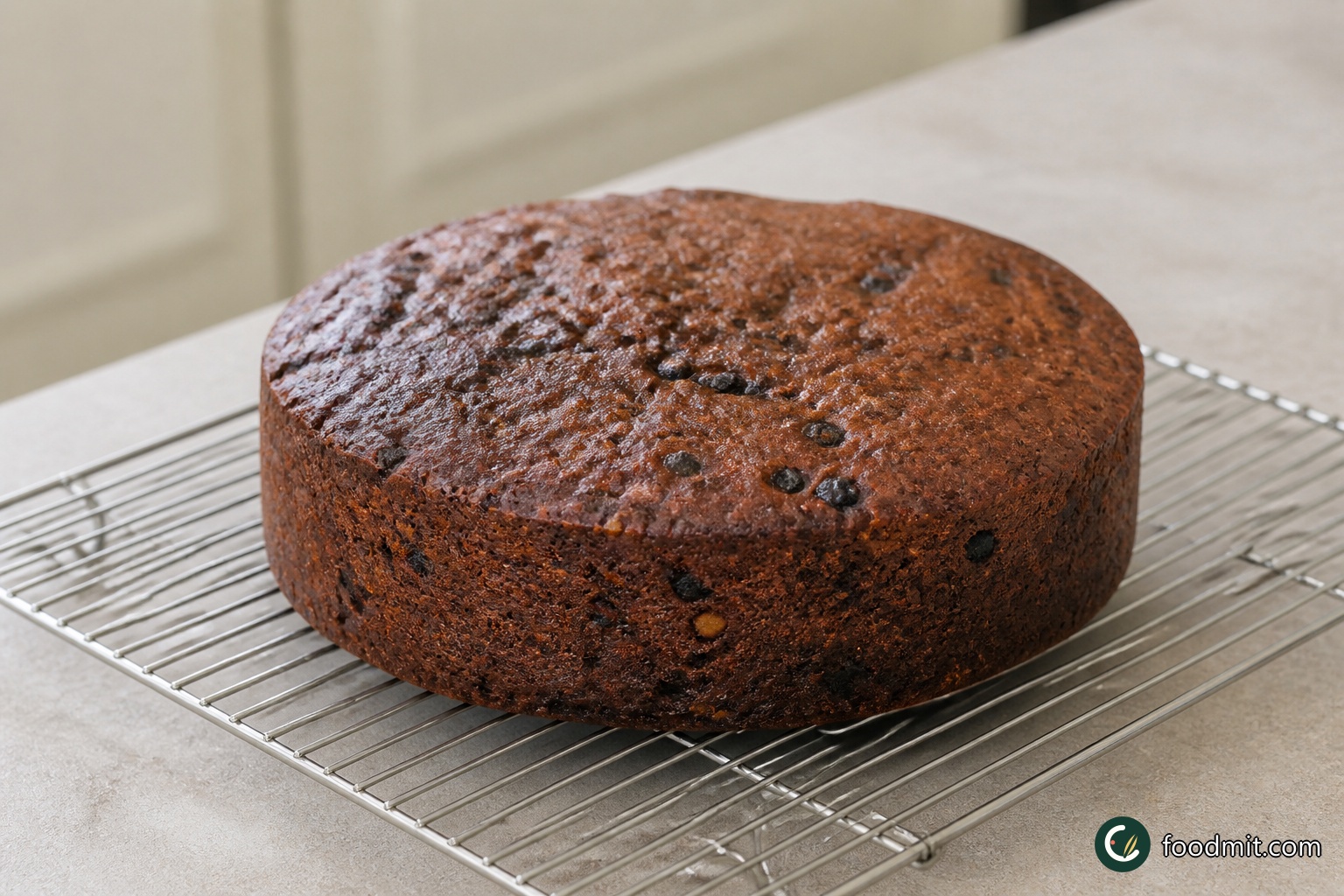
Leave the baked cake in its tin for exactly 45 minutes so the structure can settle before removal. Turn it out carefully, remove the lining paper and transfer it to a wire rack. Wait until it is completely cold, including at the centre, before wrapping it in two layers of greaseproof paper followed by foil. Put the wrapped cake in an airtight tin or a sealed polythene box. Wrapping while any warmth remains would trap condensation, so patience at this stage protects the dense crumb you have spent the day building.
-
Step 9
Feed with brandy if desired
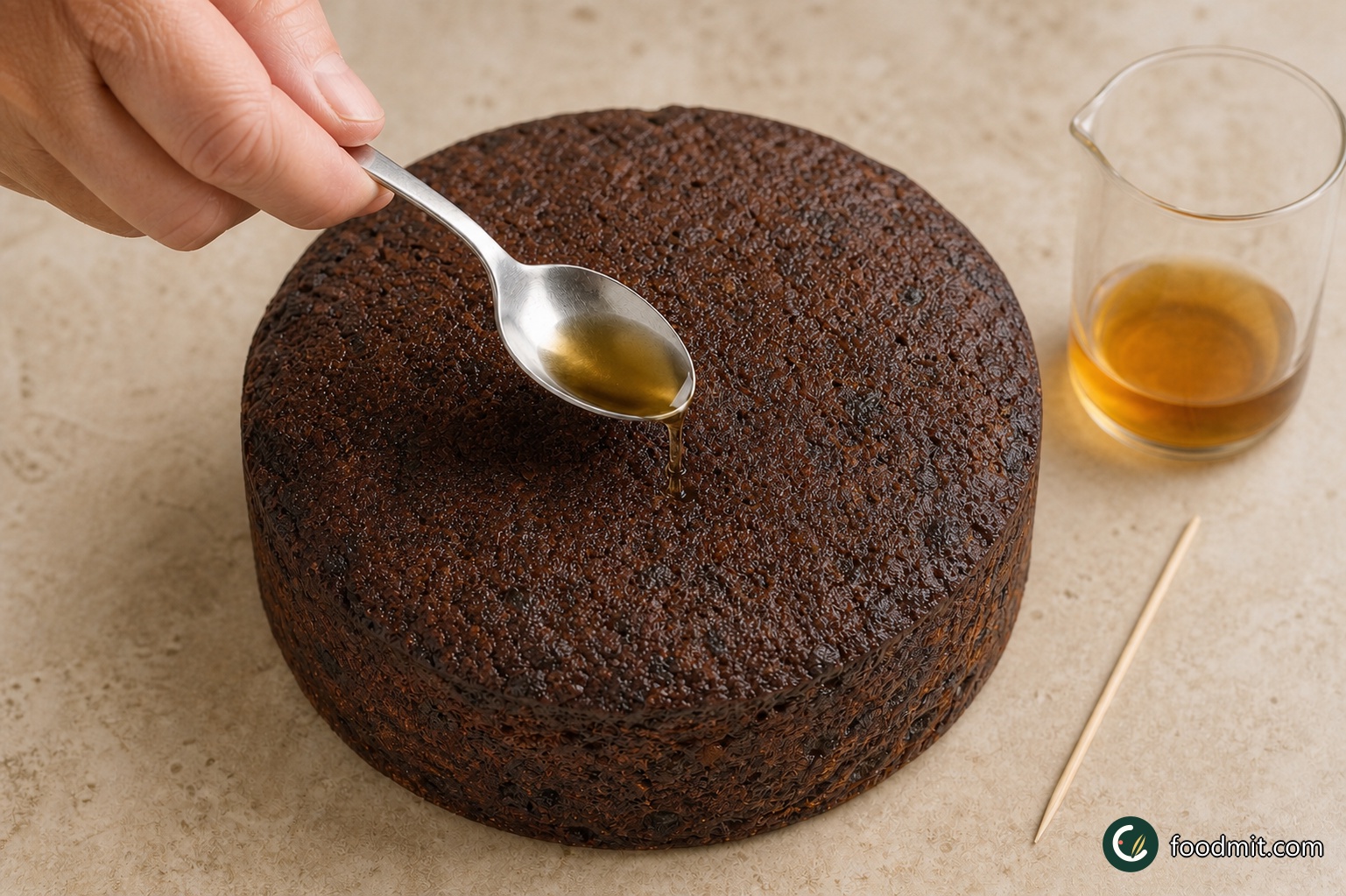
The cake is ready to eat without any further treatment. If you want to feed it, wait until it is cold, then use a cocktail stick to make small holes in both the top and the bottom. Spoon over about 2 tablespoons of extra brandy, allowing it to enter the holes rather than pool on the surface. Rewrap the cake in double baking parchment and foil, or return it to an airtight tin. The feeding can be repeated at weekly intervals until you serve the cake plain or cover it with icing.
Let the soaked fruit become completely cold before it meets the batter. Warm fruit can soften the butter too far and make folding less controlled, while a fully cooled mixture stays evenly suspended and carries every drop of its aromatic liquid into the cake.
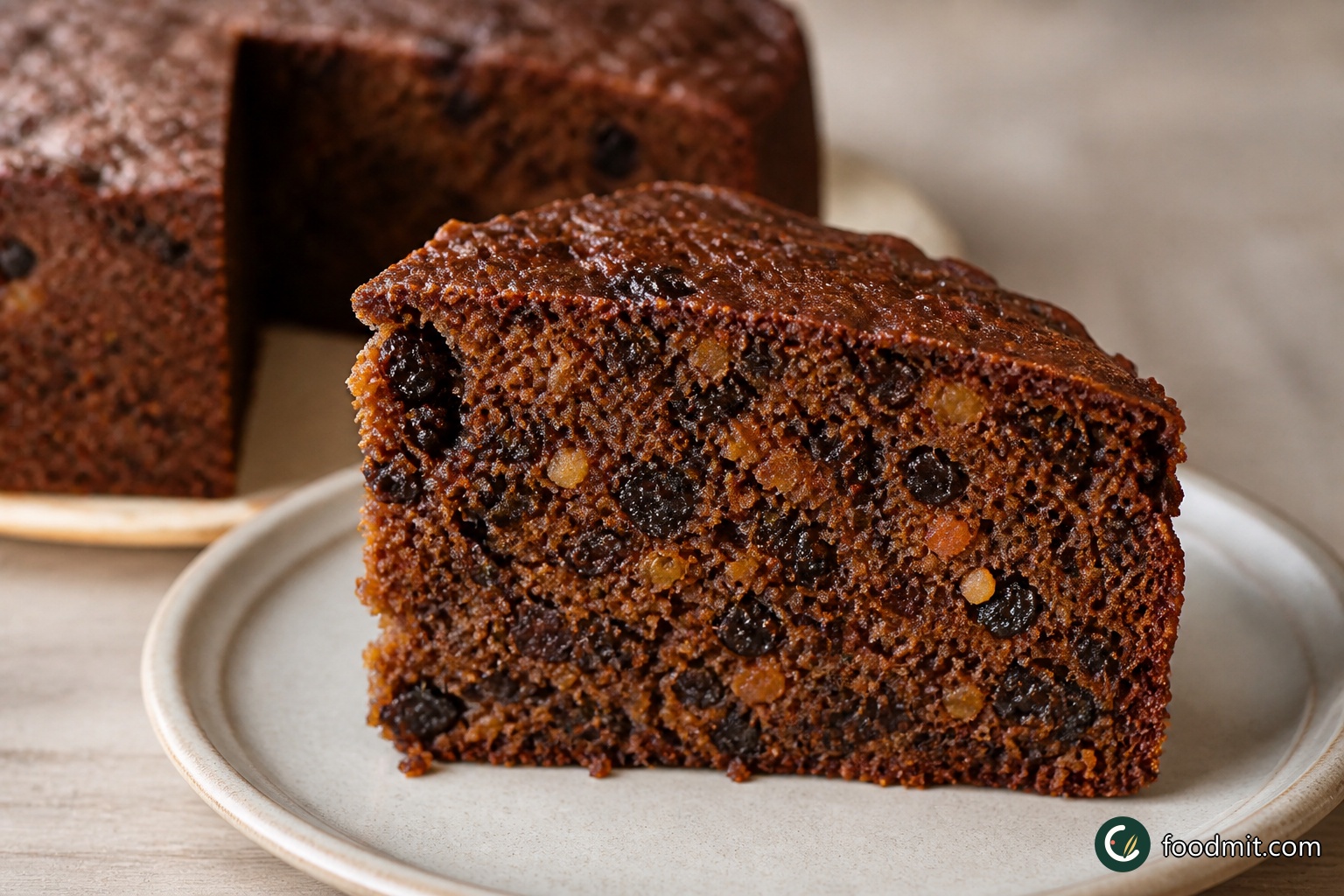
Traditional Christmas Fruit Cake, ready to serve
Serving ideas for Traditional Christmas Fruit Cake
Choose a presentation that fits the occasion, from relaxed sharing to individual plates.
Simple Christmas tea tray
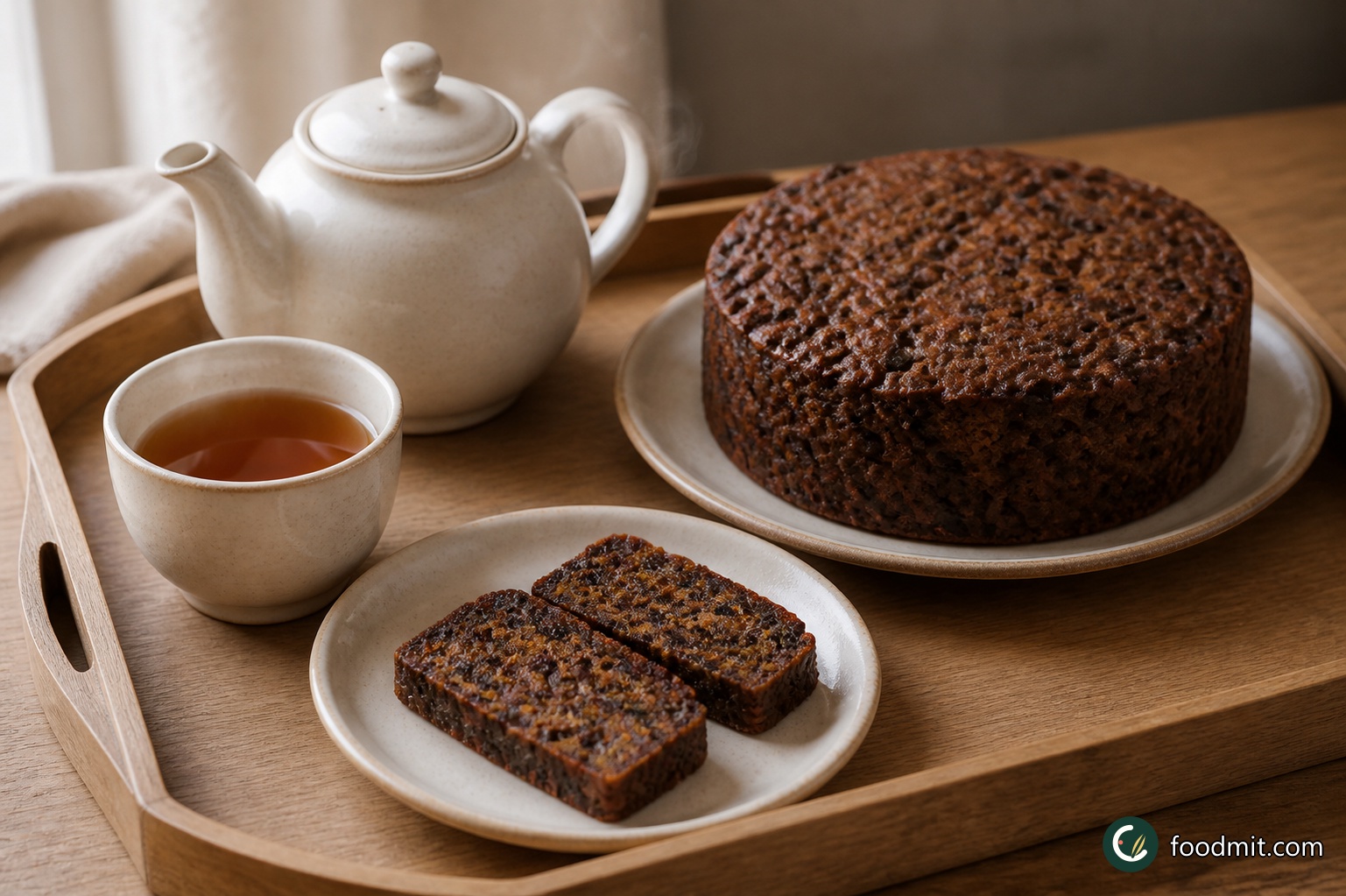
I like this cake most in narrow, clean slices on a plain ceramic plate, with the uncut cake set behind them so guests can see the dark fruit-studded interior. A pot of hot tea or fresh coffee is enough alongside; the cake already has sweetness, citrus, spice and a mellow spirit note, so it does not need a rich sauce. This presentation suits a quiet afternoon visit during Christmas week and lets the texture remain the focus. Use a sharp knife, wipe it between cuts, and keep the remaining cake wrapped until more slices are needed so its cut face is not left exposed.
Centrepiece for the Christmas table
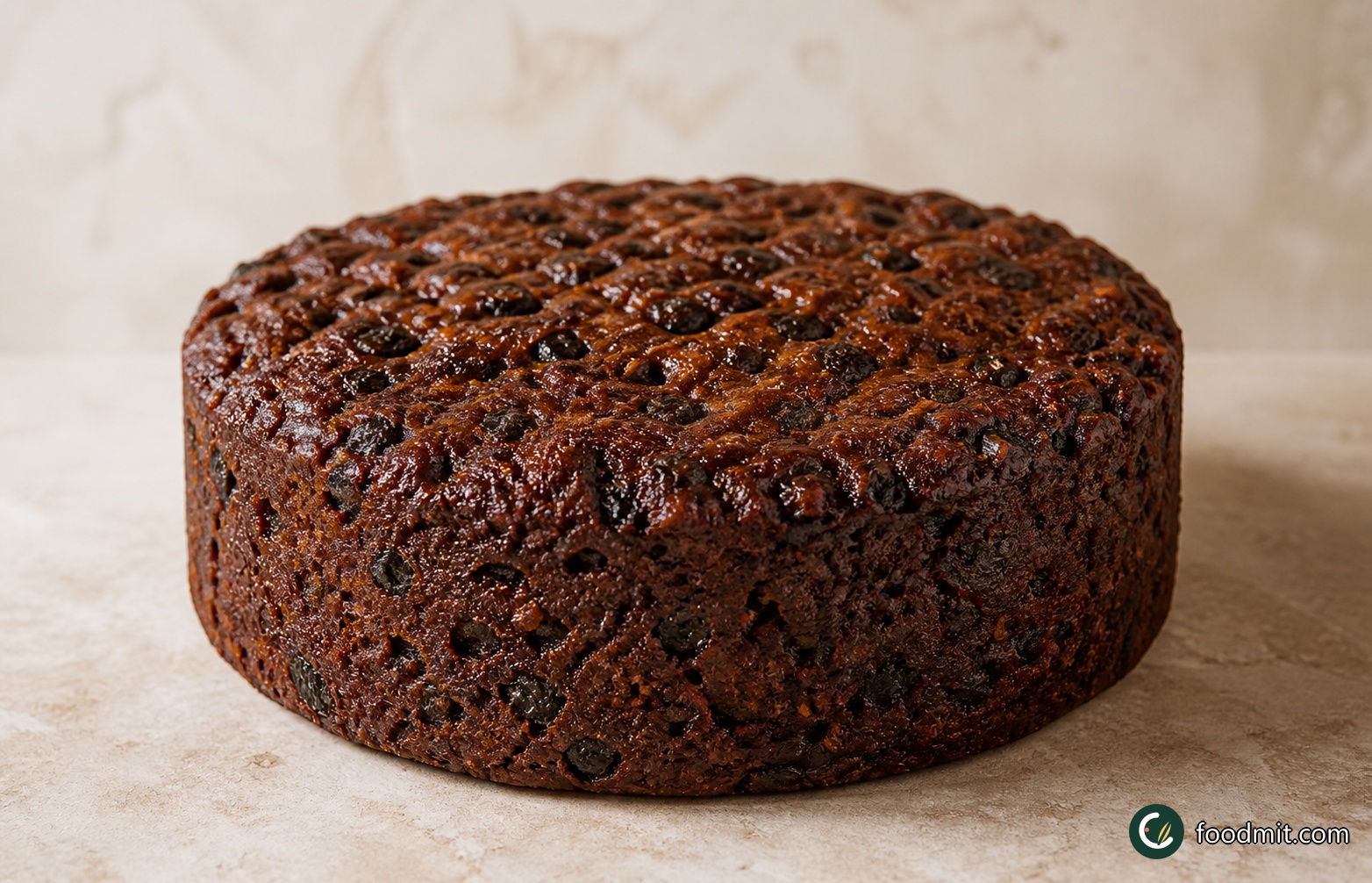
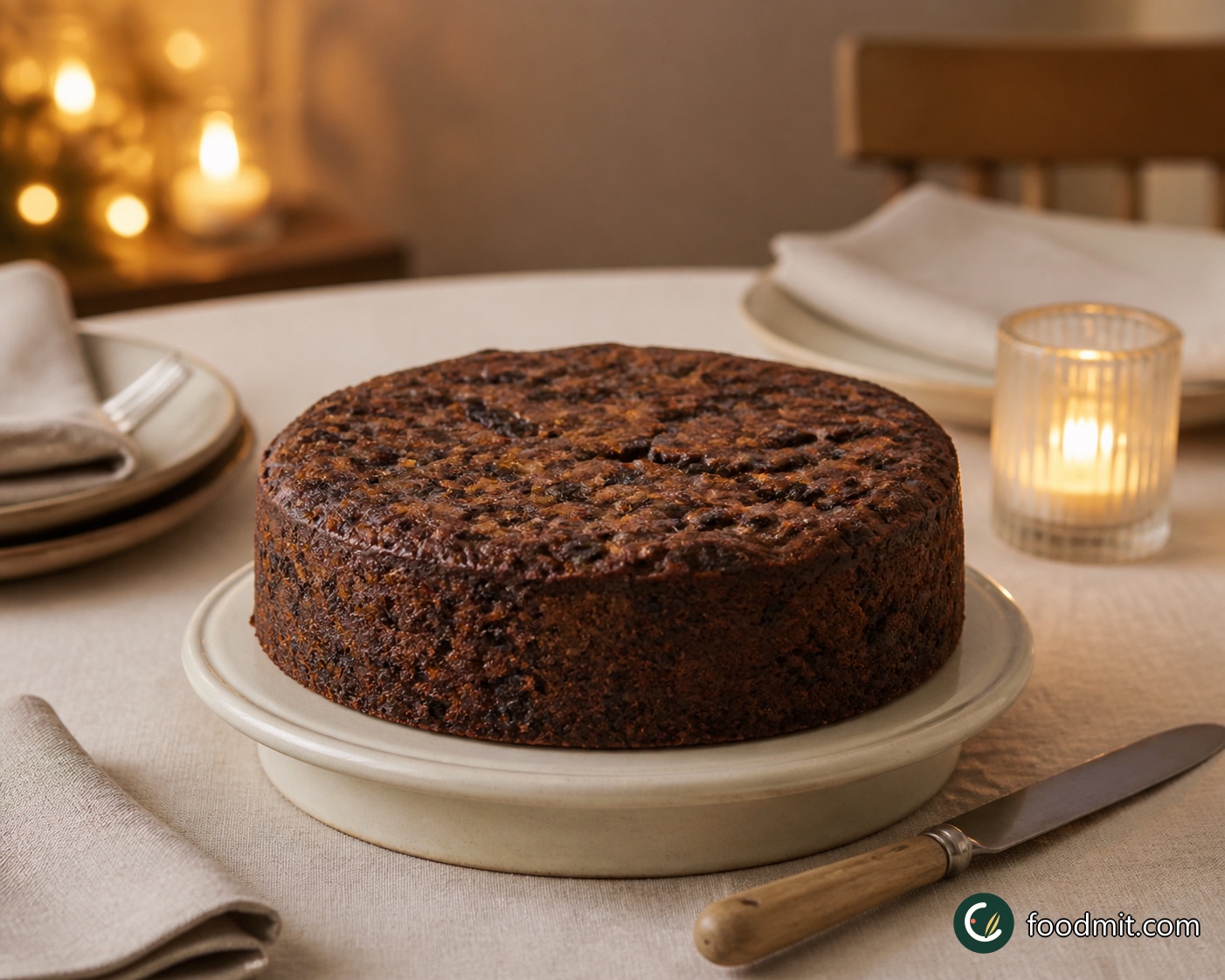
For a more formal holiday table, I would place the whole cake on a low cake stand and cut slim wedges after the main meal. It can be presented exactly as baked, which shows off the burnished top and makes the simple, thrifty character of the recipe part of its charm. If you have chosen to ice it, keep the slices modest because the fruit base is already substantial. Warm, uncluttered tableware and a small cake knife are more useful than extra garnish here. This arrangement works well when several people want just a little sweet finish and makes the stated yield of about 20 slices realistic.
Small slices for a festive party
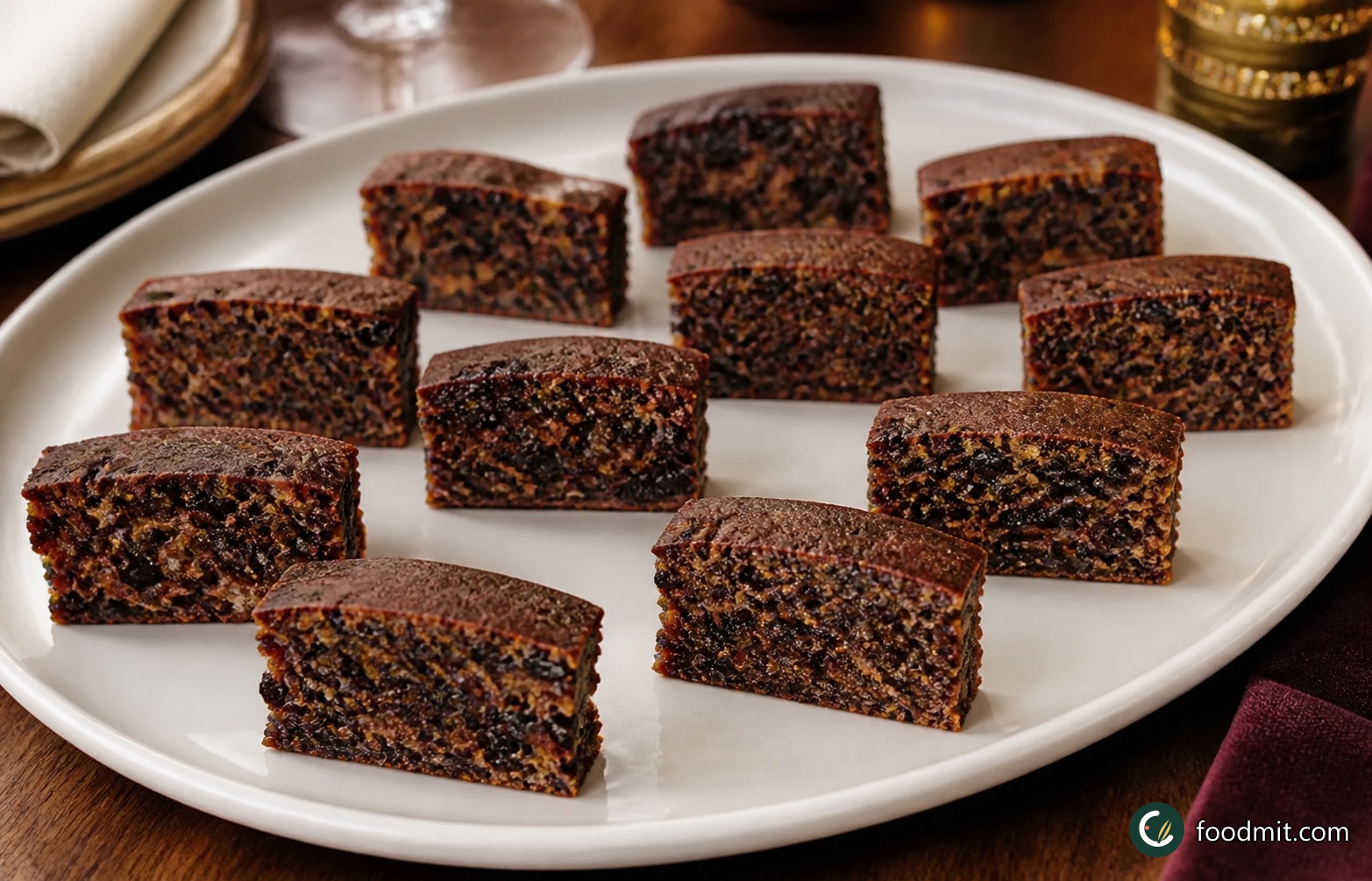
For a standing gathering, I would cut the cake into small, easy-to-lift portions and arrange them in a single layer on a broad serving platter. The dense crumb holds together well, but each piece should still have enough room to be picked up without brushing against its neighbour. Put out only a manageable batch at a time and leave the rest wrapped airtight, replenishing the platter as needed. The measured portions help the fruit, spice and brandy feel satisfying rather than heavy, while the visible raisins, currants, sultanas and citrus peel make the platter recognisably festive without adding decorations not already present in the bake.
Let’s cook Traditional Christmas Fruit Cake together
Check off your ingredients, follow each step, and start the timers when you are ready.
Get everything ready
Step-by-step with timers
Gently simmer the fruit
The day before baking, measure the brandy and port into a large saucepan. Add the cinnamon, nutmeg, salt, raisins, currants, sultanas, mixed peel, chopped almonds, orange zest and lemon zest. Stir everything together and bring it only just to simmering point. Turn the heat down at once and keep the mixture at the gentlest simmer for 10 minutes, stirring carefully enough to prevent fruit at the base from catching. The aim is to warm and plump the fruit, not to boil the liquid away.
Cool and rest overnight
Take the pan off the heat and leave the fruit mixture until it is completely cool. Transfer all of it, including any liquid and spice clinging to the pan, to an airtight plastic container. Seal the container and leave it in a cool place overnight. At the same time, take the butter from the refrigerator so it has time to soften naturally before mixing the cake. Do not combine warm fruit with the batter; the long, cool rest is part of the recipe and helps the liquid spread evenly through the dried fruit.
Prepare the oven and tin
When you are ready to bake, heat the oven to 140°C, or gas mark 1, with a rack positioned in the centre. Grease a 20 cm round cake tin and line it with a double thickness of baking parchment. Tie a snug band of brown paper around the outside of the tin for further insulation. This may look unusually elaborate, but the cake will be in the oven for four hours, so the doubled lining and outer collar are important protection rather than decoration.
Beat the cake mixture
Put the sifted self-raising flour, soft dark brown sugar and softened butter into a very large mixing bowl, then add the four eggs. Beat with an electric whisk until the mixture is evenly blended, with no obvious streaks of butter, egg or dry flour. A wooden spoon can be used if an electric whisk is unavailable; work steadily and scrape around the bottom and sides of the bowl so the base mixture is uniform before the much heavier fruit is added.
Fold in the soaked fruit
Using a large metal spoon, fold the rested fruit mixture into the cake mixture a little at a time. Bring the spoon down through the centre and lift the batter over the fruit, turning the bowl as you go. Continue until the three vine fruits, peel, almonds and flecks of zest are distributed all the way through, and make sure any aromatic liquid from the container is incorporated too. Gradual folding is easier to control than adding the heavy fruit in one mass and helps avoid pockets of plain batter.
Fill and cover the tin
Spoon the mixture into the prepared tin, taking care to push it into the edge rather than leaving gaps. Level the surface with the back of the spoon so the deep cake bakes as evenly as possible. Cut a double square of baking parchment large enough to sit over the tin and make a small hole in its centre, about the diameter of a 50-pence coin. Lay this cover loosely over the top; the opening provides a vent while the surrounding paper shields the surface during the long bake.
Bake low and slow
Place the protected tin in the centre of the oven and bake at 140°C, or gas mark 1, for 4 hours. At the end of that time, carefully lift the parchment cover enough to check the centre. The cake is ready when the middle feels springy under a light fingertip; it should respond rather than remain sunken or soft. Use this stated feel as the doneness cue and give the centre the full slow bake it needs, while leaving the paper protections in place for the rest of the time.
Cool, wrap and store
Leave the baked cake in its tin for exactly 45 minutes so the structure can settle before removal. Turn it out carefully, remove the lining paper and transfer it to a wire rack. Wait until it is completely cold, including at the centre, before wrapping it in two layers of greaseproof paper followed by foil. Put the wrapped cake in an airtight tin or a sealed polythene box. Wrapping while any warmth remains would trap condensation, so patience at this stage protects the dense crumb you have spent the day building.
Feed with brandy if desired
The cake is ready to eat without any further treatment. If you want to feed it, wait until it is cold, then use a cocktail stick to make small holes in both the top and the bottom. Spoon over about 2 tablespoons of extra brandy, allowing it to enter the holes rather than pool on the surface. Rewrap the cake in double baking parchment and foil, or return it to an airtight tin. The feeding can be repeated at weekly intervals until you serve the cake plain or cover it with icing.
Traditional Christmas Fruit Cake Recipe Inspired by Delia Smith
The story behind Traditional Christmas Fruit Cake
Recipe notes by Emily
The recipe I had saved for Christmas
I had kept this Delia Smith fruit cake recipe in mind because I admire how she explains traditional British baking without making it feel mysterious. When I finally cooked this particular cake, I followed the quantities closely and resisted the temptation to add more nuts, spice or alcohol. That restraint turned out to be one of its strengths. The enormous proportion of vine fruit already gives the cake plenty of character, and the citrus, mixed peel and modest pinch of spice support it rather than compete with it. As a fan, I came away appreciating the recipe’s economy as much as its festive mood.
What the overnight rest changed
The saucepan stage was the part that made the method click for me. After ten quiet minutes over low heat, the fruit looked glossy and smelled deeply aromatic, but it was the sealed overnight rest that changed its feel: by morning the mixture was cohesive, cool and ready to fold without loose liquid sloshing around the bowl. Leaving the butter out at the same time was a small but very practical instruction, because it meant the base mixture came together readily. I would not shorten that rest or stir warm fruit into the batter; neither step is difficult, but both matter to the even texture of the finished slices.
The slow bake and the first slice
Four hours felt long when I put the tin in the oven, yet the paper collar, double lining and vented top cover made the wait surprisingly calm. I checked the centre only at the stated time and felt the gentle spring that signalled it was done. After 45 minutes in the tin and a complete cool on the rack, the first cut revealed the kind of close, fruit-packed crumb I hope for in a rich fruit cake. It was moist enough to eat unadorned, with clean slices and no harsh alcoholic edge. I liked it best after careful wrapping, when the fruit, citrus and soft spice seemed to read as one flavour.